What Animals Have Real Superpowers That Science Can't Fully Explain?
March 26, 2026 · 4 min read
What Animals Have Real Superpowers That Science Can’t Fully Explain?
Several animals possess abilities so extraordinary they challenge our understanding of biology, including tardigrades that survive outer space, immortal jellyfish that reverse aging, and mantis shrimp with vision beyond current technology. These creatures have evolved capabilities that modern science is still struggling to replicate or fully comprehend.
The Tardigrade: Nature’s Ultimate Survivor
The tardigrade, also known as a water bear, represents perhaps the most extreme example of biological resilience. This microscopic animal can survive temperatures from -459°F to 300°F above zero, pressures six times greater than the deepest ocean trenches, and lethal radiation doses. Most remarkably, NASA has confirmed that tardigrades survived 10 days in the vacuum of outer space, exposed to cosmic radiation.
The secret lies in their ability to enter cryptobiosis, a state where they shut down their metabolism entirely. In this condition, they are functionally neither alive nor dead—a biological state so unusual that science lacks adequate terminology to describe it. Water bears can remain in this suspended animation for decades, then reactivate when conditions improve.
Biological Immortality: The Jellyfish That Cheats Death
Turritopsis dohrnii, known as the immortal jellyfish, performs what should be biologically impossible. When faced with old age, injury, or illness, it reverses its aging process and returns to its juvenile polyp stage. This isn’t metaphorical—the jellyfish literally transforms its cellular structure and restarts its entire life cycle.
Scientists have never observed one dying of natural causes, and theoretically, this process could continue indefinitely. The mechanism involves cellular reprogramming similar to what stem cell researchers are trying to achieve in laboratories, making this jellyfish a living example of biological immortality.
Regeneration Beyond Human Understanding
The axolotl salamander from Mexico can regrow almost any part of its body with perfect accuracy. Unlike human healing, which creates scar tissue, axolotls regenerate limbs, organs, brain tissue, and even parts of their heart without any scarring or functional loss. They can regrow the same limb up to five times with identical precision.
What makes this even more mysterious is that axolotls carry approximately 10 times more DNA than humans. Scientists believe most of this genetic code serves unknown functions, potentially holding keys to understanding regeneration that could revolutionize human medicine. Researchers have already begun isolating regeneration genes, with implications for organ replacement therapy.
Weaponized Biology: Electric and Plasma Generation
The electric eel generates up to 860 volts through specialized cells called electrocytes that function like biological batteries. Beyond simple shocking, these creatures can remotely control their prey’s muscles using low-voltage pulses that cause involuntary spasms, essentially using electricity as both radar and a stunning weapon.
Even more extreme is the pistol shrimp, which creates cavitation bubbles that briefly reach 8,000°F—hotter than the sun’s surface. This tiny crustacean generates plasma through the rapid collapse of water bubbles, killing prey without physical contact. The physics involved are so complex that engineers study these mechanisms for potential technological applications.
Sensory Abilities Beyond Human Technology
The mantis shrimp possesses vision that surpasses our current technological capabilities. While humans have three color receptors, mantis shrimp have 16, allowing them to see ultraviolet, infrared, and polarized light simultaneously. Scientists have attempted to build cameras replicating their vision but cannot match their capabilities.
Additionally, mantis shrimp can punch with accelerations faster than bullets, generating forces of 1,500 Newtons. The strike creates secondary shockwaves through cavitation bubbles, meaning they hit targets twice—even when they miss the initial strike.
Cognitive Superpowers: Deception and Mimicry
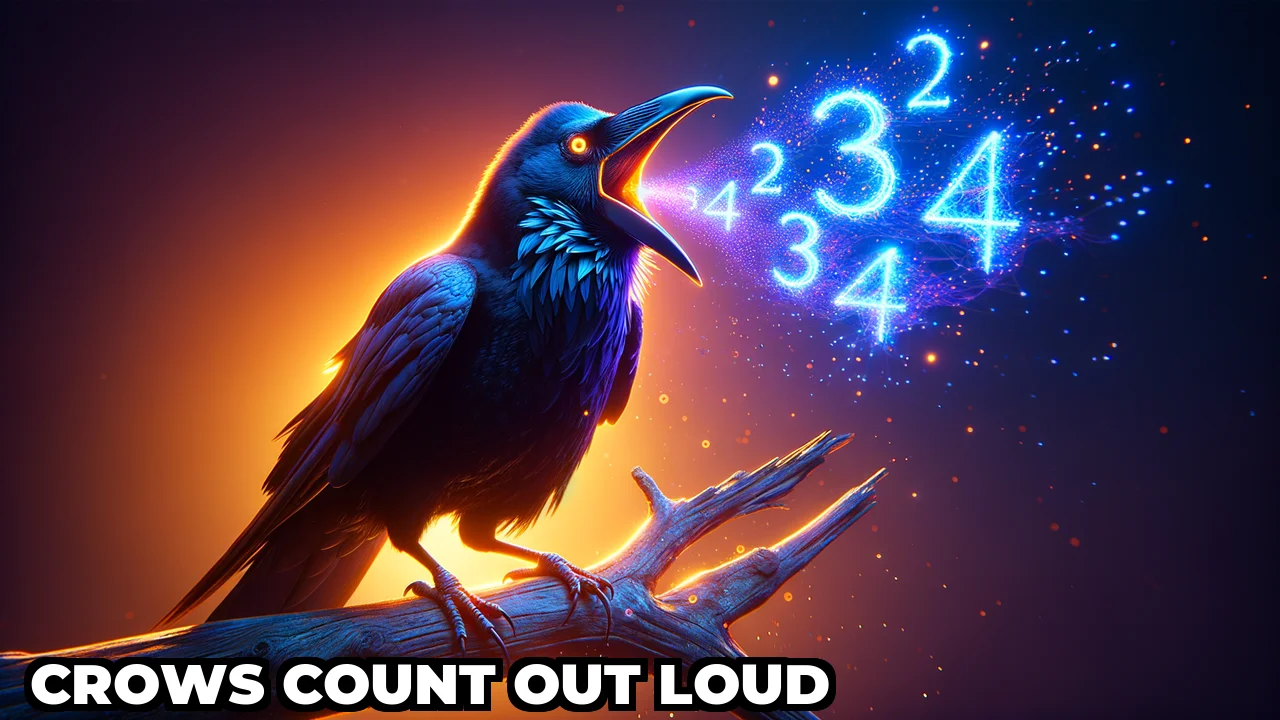
The fork-tailed drongo bird demonstrates cognitive abilities that challenge our understanding of animal intelligence. These birds deliberately imitate predator alarm calls to steal food from meerkats, rotating through up to 51 different false signals when their deceptions are discovered. This represents intentional cognitive counter-intelligence—planning, memory, and deliberate deception.
Similarly, the mimic octopus can impersonate over 15 different species by changing color, texture, posture, and movement patterns simultaneously. It performs real-time threat analysis, choosing which species to mimic based on the specific predator approaching.
The Implications for Human Science
Every superpower described here represents an active area of human research. Scientists are studying tardigrade cryptobiosis for space travel applications, axolotl regeneration for medical treatments, and electric eel bioelectricity for energy storage solutions. The U.S. military has investigated wood frog freeze-resurrection cycles for organ preservation techniques.
These animals represent 500 million years of evolutionary research and development, often achieving capabilities that our most advanced technology cannot replicate. Rather than being primitive creatures, they demonstrate that nature has already solved many problems that human science is still working to understand.
FREQUENTLY ASKED
Can tardigrades really survive in outer space? ▾
Yes, NASA has confirmed that tardigrades survived 10 days in the vacuum of space, exposed to cosmic radiation and extreme temperatures, then returned to normal activity when rehydrated.
Are immortal jellyfish actually immortal? ▾
Turritopsis dohrnii can theoretically live forever by reversing its aging process and returning to its juvenile stage, though they can still die from predation or disease.
Could humans ever develop regeneration abilities like axolotls? ▾
Scientists are actively studying axolotl DNA and have already isolated some regeneration genes, suggesting that enhanced human healing might be possible through genetic engineering or stem cell therapy.