What Is the River That Changes Colors for Only Three Months a Year?
May 27, 2026
The River of Five Colors
Caño Cristales in Colombia is a river that transforms into a living rainbow of red, yellow, green, blue, and black for just three months each year. This extraordinary natural phenomenon is caused entirely by a single species of aquatic plant called Macarenia clavigera, found almost nowhere else on Earth.
The Science Behind the Rainbow
The spectacular colors of Caño Cristales result from the unique lifecycle of Macarenia clavigera. When water levels, sunlight intensity, and temperature align perfectly between June and November, this endemic plant blooms in brilliant crimson across the riverbed. The red dominates the display, but the plant also produces yellow and green hues at different stages of its growth cycle. The river’s natural blue water and black volcanic rock complete the five-color palette that has earned Caño Cristales the nickname “Liquid Rainbow.”
The timing is crucial—miss this narrow window, and visitors see only an ordinary-looking stream flowing over dark rocks. The plant requires specific conditions to photosynthesize and produce its vibrant pigments, making the phenomenon both rare and unpredictable.
Ancient Foundations
Beneath this colorful spectacle lies one of South America’s most ancient geological formations. The riverbed consists of exposed Precambrian rock dating back approximately 1.2 billion years, making it older than most complex life forms on Earth. This Guiana Shield formation provides the perfect substrate for Macarenia clavigera to anchor and thrive.
A Hidden Wonder Protected
For two decades, from 1989 to 2009, armed conflict in the region made Caño Cristales completely inaccessible to visitors. The rainbow bloomed in total isolation, witnessed only by wildlife in the remote Serranía de la Macarena National Park. This forced absence inadvertently protected the fragile ecosystem during Colombia’s most turbulent period.
Today, access remains strictly controlled. Colombian authorities limit visitors to just 200 people per day to prevent damage to the delicate aquatic plant communities. This protection ensures that Macarenia clavigera can continue its ancient cycle undisturbed.
Location and Conservation
Caño Cristales flows through the Serranía de la Macarena, a remote mountain range in Colombia’s Meta department. The river stretches approximately 100 kilometers, though the most dramatic color displays occur along specific sections where conditions favor plant growth. The area’s designation as a national park provides legal protection, but the ecosystem remains vulnerable to climate change and human interference.
Visitors must follow strict guidelines: no sunscreen, no swimming, and designated walking paths only. These measures protect both the water quality and the riverbed plants that create the phenomenon. Local guides, trained in conservation protocols, accompany all tourist groups to ensure compliance with environmental regulations.
FREQUENTLY ASKED
When can you see the colors in Caño Cristales? ▾
The rainbow colors appear between June and November when water levels, sunlight, and temperature conditions allow Macarenia clavigera to bloom.
What plant causes the colors in Caño Cristales? ▾
Macarenia clavigera, an endemic aquatic plant found almost exclusively in this Colombian river system, creates all the red, yellow, and green colors.
How many people can visit Caño Cristales daily? ▾
Colombian authorities limit access to 200 visitors per day to protect the fragile aquatic ecosystem.
Where is Caño Cristales located in Colombia? ▾
The river flows through Serranía de la Macarena National Park in Colombia's Meta department, about 200 kilometers southeast of Bogotá.
Why was Caño Cristales closed for 20 years? ▾
Armed conflict in the region from 1989 to 2009 made the area too dangerous for tourists to visit safely.
How old is the rock beneath Caño Cristales? ▾
The exposed Precambrian riverbed is approximately 1.2 billion years old, making it one of South America's most ancient rock formations.
GO DEEPER
KEEP EXPLORING
 0:19
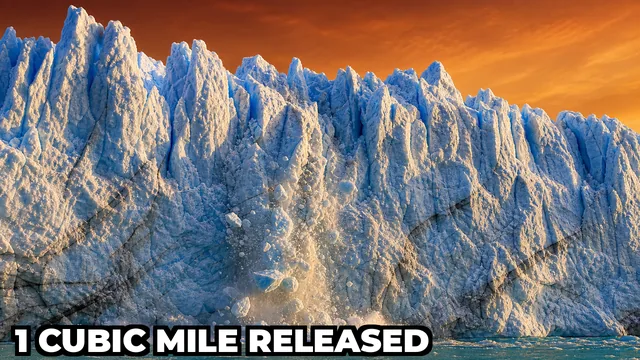
0:19This Glacier Dams A Lake — Then Lets It All Go 🧊
Oct 9, 2026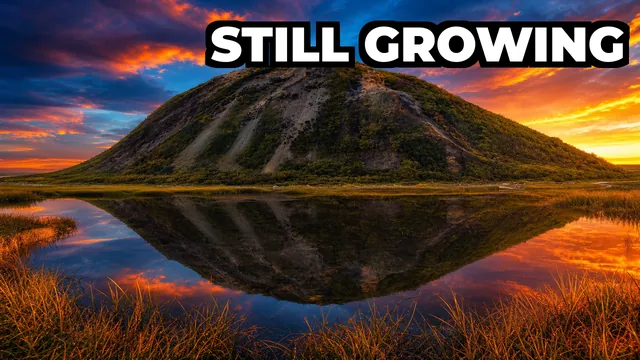 0:04
0:04How Groundwater Pressure Builds a 161ft Arctic Hill ❄️
Oct 8, 2026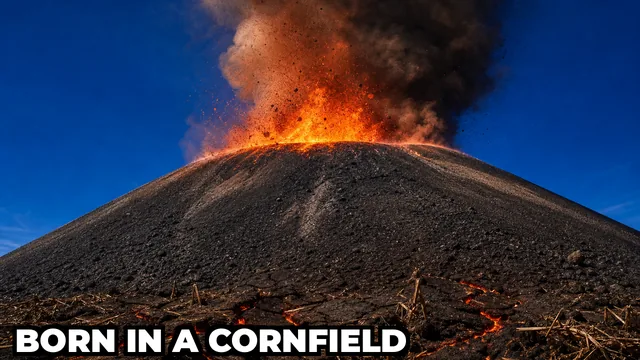 0:30
0:30A Volcano Grew 1,391ft Out Of A Cornfield 🌋
Oct 5, 2026 0:43
0:43Earth's 4th-Largest Lake Is Now A Salt Desert 🏜️
Oct 4, 2026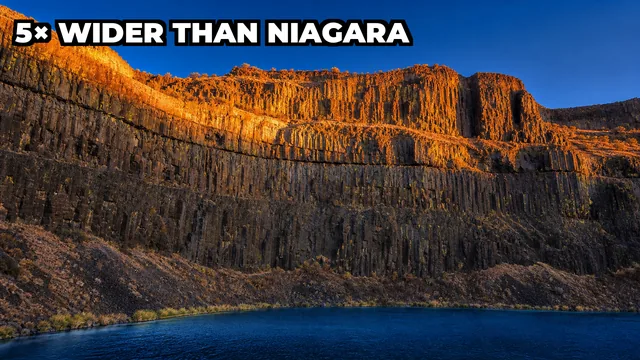 0:31
0:31A Waterfall 5x Wider Than Niagara Ran Dry 🌊
Oct 2, 2026 0:17
0:17