How Do Coral Reefs Survive Without Sunlight in the Deep Ocean?
April 7, 2026
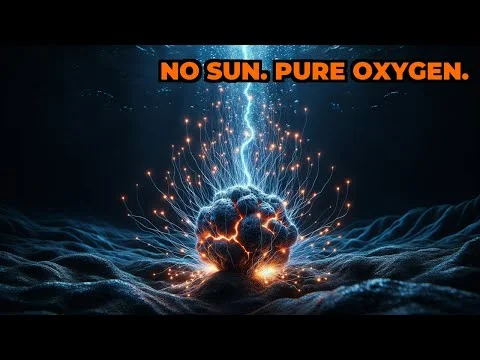
Deep-sea coral reefs can survive without sunlight by relying on chemosynthetic bacteria and filter-feeding mechanisms instead of photosynthesis. Unlike shallow-water corals that depend on symbiotic algae for energy, these remarkable ecosystems have evolved entirely different survival strategies.
The Discovery That Changed Ocean Science
Scientists recently discovered a thriving coral reef ecosystem at depths of 1,600 feet, far beyond the reach of sunlight. This finding challenges our fundamental understanding of coral biology, as most people associate coral reefs with bright, sunny tropical waters. The discovery proves that life finds ways to flourish even in Earth’s most inhospitable environments.
How Deep-Sea Corals Generate Energy
While surface corals rely on zooxanthellae—photosynthetic algae living within their tissues—deep-sea corals have developed alternative energy sources. These cold-water corals primarily feed by filtering organic particles from the water column, capturing plankton, marine snow, and other nutrients that drift down from surface waters. Some species also form relationships with chemosynthetic bacteria that convert chemicals like hydrogen sulfide into usable energy.
The Unique Ecosystem of Lightless Reefs
These deep-sea coral communities support diverse marine life despite the absence of photosynthesis. Fish, crustaceans, sponges, and other organisms create complex food webs based entirely on chemosynthesis and detritus feeding. The coral structures themselves provide crucial habitat and shelter, creating biodiversity hotspots in otherwise barren deep-ocean environments.
Implications for Ocean Exploration
This discovery highlights how little we know about our planet’s oceans. With 95% of the ocean still unexplored, scientists estimate that countless unknown ecosystems and species remain hidden in the depths. These findings suggest that life may be far more widespread and adaptable than previously thought, with potential implications for understanding life on other planets.
Threats to Deep-Sea Coral Ecosystems
Despite their isolation, deep-sea coral reefs face significant threats from human activities. Deep-sea fishing, oil drilling, and climate change-induced ocean acidification can destroy these slow-growing ecosystems. Unlike shallow-water corals, deep-sea species grow extremely slowly and may take centuries to recover from damage, making conservation efforts critical for their survival.
FREQUENTLY ASKED
What do deep-sea corals eat without sunlight? ▾
Deep-sea corals filter-feed on organic particles, plankton, and marine snow that drifts down from surface waters, supplemented by nutrients from chemosynthetic bacteria.
How deep can coral reefs survive? ▾
Coral reefs have been found thriving at depths exceeding 1,600 feet, well beyond the 650-foot limit where sunlight disappears completely.
Are deep-sea corals the same as shallow-water corals? ▾
No, deep-sea corals are different species that lack the symbiotic algae found in shallow-water corals and rely entirely on alternative energy sources.