What Is the World's Deepest Blue Hole and Why Can't Scientists Reach the Bottom?
April 6, 2026
The world’s deepest blue hole is Taam Ja’ Blue Hole in Mexico’s Yucatán Peninsula, plunging at least 1,380 feet into the Earth with no confirmed bottom. Scientists have been unable to reach its deepest point due to complete oxygen depletion and the failure of measuring equipment at extreme depths.
What Makes Taam Ja’ Blue Hole So Mysterious
Taam Ja’ Blue Hole, discovered in Chetumal Bay, has earned its reputation as one of Earth’s most enigmatic natural formations. Unlike typical blue holes that eventually reveal their depths, Taam Ja’ continues to confound researchers with its seemingly bottomless nature. The hole’s circular opening leads to a vertical shaft that disappears into complete darkness, creating an underwater abyss that has swallowed every scientific attempt to measure its true extent.
The blue hole’s unique geological structure sets it apart from other similar formations worldwide. While most blue holes form through the collapse of limestone cave systems, Taam Ja’ appears to connect to an extensive network of underwater caves beneath the Yucatán Peninsula. This intricate cave system may explain why sensors and equipment consistently fail to find a definitive bottom.
The Challenge of Extreme Depths
At 1,380 feet deep – the maximum depth scientists have been able to confirm – Taam Ja’ Blue Hole presents insurmountable challenges for human exploration. The complete absence of oxygen at these depths creates an anoxic environment that would be instantly fatal to divers without specialized equipment. Even with advanced diving technology, the extreme pressure and lack of breathable atmosphere make direct human exploration virtually impossible.
Scientific instruments deployed into the depths have repeatedly malfunctioned or failed entirely before reaching what researchers believe might be the actual bottom. The combination of crushing water pressure, zero oxygen levels, and potentially toxic hydrogen sulfide gas creates conditions that push even the most sophisticated equipment beyond its operational limits.
Hidden Cave Networks Beneath the Surface
The Yucatán Peninsula’s geological foundation consists primarily of porous limestone riddled with cenotes and underground river systems. Scientists theorize that Taam Ja’ Blue Hole connects to this vast subterranean network, potentially extending far beyond what surface measurements might suggest. These hidden connections could explain why the hole appears to have no bottom – water and debris may flow through underground passages that lead to even deeper chambers.
This interconnected cave system also contributes to the blue hole’s hazardous conditions. As organic matter decomposes in the oxygen-free environment, it produces hydrogen sulfide and other toxic compounds that make the deeper regions even more hostile to both human exploration and scientific equipment.
Ongoing Scientific Investigation
Despite repeated setbacks, researchers continue their attempts to unlock Taam Ja’ Blue Hole’s secrets. Advanced sonar mapping, remotely operated vehicles (ROVs), and specially designed pressure-resistant sensors represent the current frontier of blue hole exploration. Each expedition provides valuable data about the unique ecosystem and geological processes that exist in these extreme underwater environments.
The blue hole’s resistance to exploration makes it a valuable natural laboratory for studying extreme environments that might exist on other planets. Understanding how life adapts – or fails to adapt – in such conditions could provide insights into astrobiology and the limits of life on Earth.
FREQUENTLY ASKED
Has anyone ever died exploring Taam Ja' Blue Hole? ▾
There are no recorded fatalities specifically attributed to Taam Ja' Blue Hole exploration, though blue holes in general are considered extremely dangerous for divers due to their depth and lack of oxygen.
How does Taam Ja' compare to other famous blue holes like the Great Blue Hole in Belize? ▾
While Belize's Great Blue Hole is wider and more famous, Taam Ja' is significantly deeper at 1,380+ feet compared to the Great Blue Hole's 410-foot depth, and its bottom remains unmeasured.
Could there be undiscovered species living in Taam Ja' Blue Hole? ▾
The extreme anoxic conditions make complex life unlikely, though scientists speculate that specialized bacteria or microorganisms adapted to zero-oxygen environments might exist in the depths.
What causes the equipment failures when scientists try to explore Taam Ja' Blue Hole? ▾
Scientific instruments fail due to the combination of crushing water pressure, complete oxygen depletion, and potentially toxic hydrogen sulfide gas that pushes even sophisticated equipment beyond its operational limits. The extreme anoxic conditions at depths exceeding 1,380 feet create an environment too hostile for current technology.
Why do scientists think Taam Ja' Blue Hole might not have a traditional bottom? ▾
Researchers believe the blue hole connects to the Yucatán Peninsula's vast underground cave network and river systems beneath the limestone foundation. This interconnected system may allow water and debris to flow through underground passages to even deeper chambers, making it appear bottomless.
What geological features make the Yucatán Peninsula ideal for forming blue holes like Taam Ja'? ▾
The Yucatán Peninsula's foundation consists of porous limestone riddled with cenotes and underground river systems. This geological structure creates the perfect conditions for blue hole formation through limestone cave system collapse and provides extensive subterranean networks.
GO DEEPER
KEEP EXPLORING
 0:30
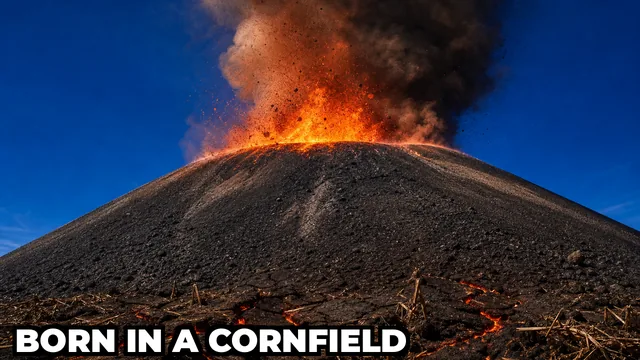
0:30A Volcano Grew 1,391ft Out Of A Cornfield 🌋
Oct 5, 2026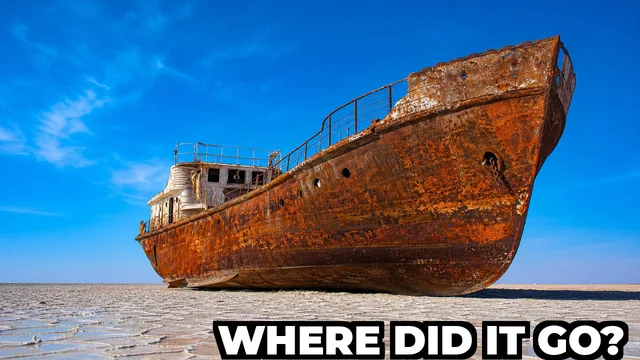 0:43
0:43Earth's 4th-Largest Lake Is Now A Salt Desert 🏜️
Oct 4, 2026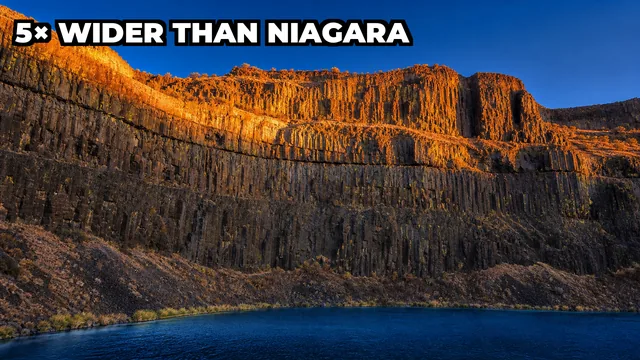 0:31
0:31A Waterfall 5x Wider Than Niagara Ran Dry 🌊
Oct 2, 2026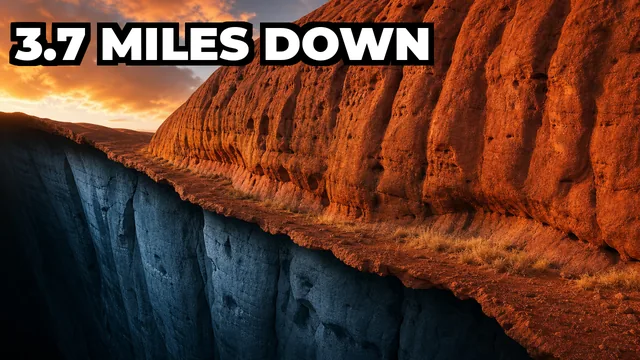 0:17
0:17Uluru Hides 3.7 Miles Beneath The Desert 🪨
Sep 29, 2026 0:06
0:06The Sand That Stays Cool At 100°F 🏜️
Sep 28, 2026 0:12
0:12