Denisova Cave in Siberia is the remarkable archaeological site where three distinct human species—Homo sapiens, Neanderthals, and Denisovans—occupied the same space across 300,000 years. In 2018, scientists discovered a bone fragment from a hybrid girl whose Neanderthal mother and Denisovan father represent the first direct evidence of interbreeding between these ancient human species.
The Discovery That Changed Human History
Located in the Altai Mountains of southern Siberia, Denisova Cave has yielded some of the most extraordinary findings in human evolution research. The cave’s sediment layers preserve a timeline spanning hundreds of thousands of years, revealing that different human species used this shelter at various periods.
The most groundbreaking discovery came from a tiny bone fragment nicknamed “Denny”—a 90,000-year-old piece of bone from a 13-year-old girl. Advanced DNA analysis revealed that this individual was the direct offspring of two different species: her mother was Neanderthal, and her father was Denisovan. This finding provided the first concrete proof that these ancient human populations not only coexisted but also successfully reproduced together.
The Mysterious Denisovans
The Denisovans themselves were only identified in 2010 from a single finger bone found in the same cave. These ancient humans remain largely mysterious, known primarily through their genetic legacy rather than extensive fossil evidence. What little physical evidence exists suggests they were robust individuals—their molars were so large that researchers initially mistook one for a cave bear tooth.
Despite their elusive nature, Denisovans have left an indelible mark on human genetics. Modern populations in Melanesia and Aboriginal Australia carry up to 5% Denisovan DNA, while some Tibetan populations inherited high-altitude adaptations from Denisovan ancestors.
Complex Genetic Heritage
The genetic analysis of Denny revealed an even more complex story than initially apparent. While her mother was Neanderthal and her father Denisovan, her Denisovan father already carried Neanderthal ancestry in his genome. This means Neanderthal DNA reached Denny from both parental lines, highlighting the intricate web of interactions between these ancient populations.
This discovery suggests that interbreeding between different human species was not a rare occurrence but potentially a regular feature of prehistoric life. The boundaries between these groups were more fluid than previously imagined, challenging our understanding of what constitutes a distinct species.
Living Legacy
Perhaps the most remarkable aspect of the Denisova Cave discoveries is how they connect to modern humans. The Denisovans and Neanderthals documented in this Siberian cave haven’t simply vanished—they live on in the DNA of billions of people today. Every person of non-African descent carries Neanderthal DNA, while specific populations retain significant Denisovan genetic contributions.
These ancient genetic contributions aren’t just evolutionary curiosities; they continue to influence human biology today. Denisovan-inherited genes help Tibetans thrive at high altitudes, while Neanderthal DNA affects everything from immune system function to hair texture in modern populations.
The ongoing research at Denisova Cave continues to reshape our understanding of human evolution, revealing a far more interconnected and complex story than the simple linear progression once taught in textbooks.
FREQUENTLY ASKED
How old is the Neanderthal-Denisovan hybrid found in Denisova Cave? ▾
The hybrid individual, nicknamed Denny, lived approximately 90,000 years ago and was about 13 years old at the time of death.
Do modern humans still carry Denisovan DNA? ▾
Yes, modern Melanesian and Aboriginal Australian populations carry up to 5% Denisovan DNA, while some Tibetan populations inherited beneficial high-altitude adaptations from Denisovans.
What other human species used Denisova Cave? ▾
Besides Denisovans, both Neanderthals and early Homo sapiens occupied Denisova Cave at different times over a span of 300,000 years.
Where is Denisova Cave located? ▾
Denisova Cave is located in the Altai Mountains of southern Siberia. This archaeological site has preserved evidence of human occupation spanning 300,000 years.
When were the Denisovans first discovered? ▾
The Denisovans were first identified in 2010 from a single finger bone found in Denisova Cave. They remain largely mysterious, known primarily through their genetic legacy rather than extensive fossil evidence.
How much Denisovan DNA do modern populations carry? ▾
Modern populations in Melanesia and Aboriginal Australia carry up to 5% Denisovan DNA. Some Tibetan populations also inherited high-altitude adaptations from Denisovan ancestors.
GO DEEPER
KEEP EXPLORING
 0:42
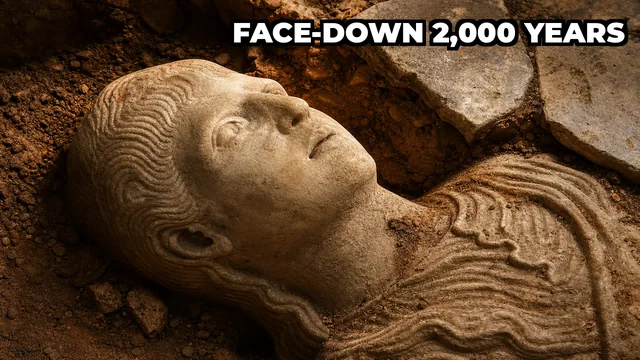
0:42They Paved a Roman Road With a 7ft Ancient Statue 🏛️
Oct 6, 2026 0:49
0:49This Iron Pillar Refused To Rust For 1,600 Years ⚙️
Oct 5, 2026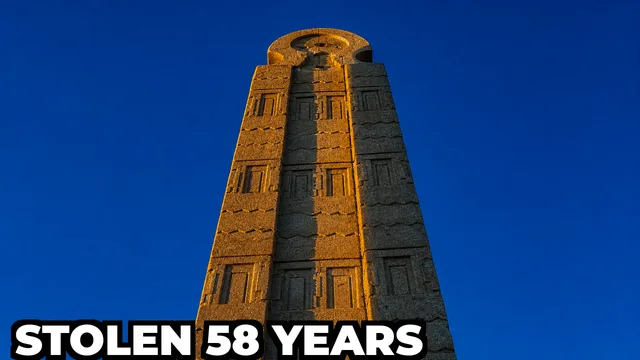 0:52
0:52A 160-Ton Obelisk Flew Home After 68 Years ✈️
Oct 4, 2026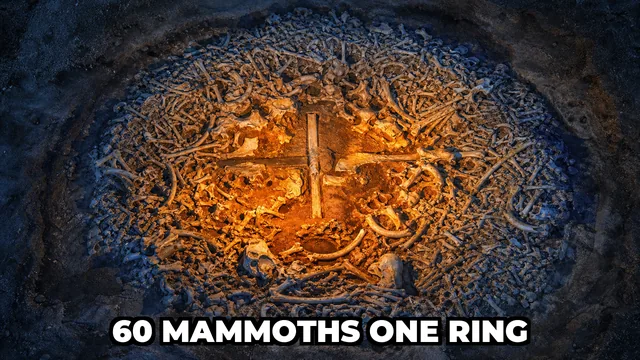 0:19
0:19They Built A 41ft Ring From 60 Mammoths 🦣
Oct 3, 2026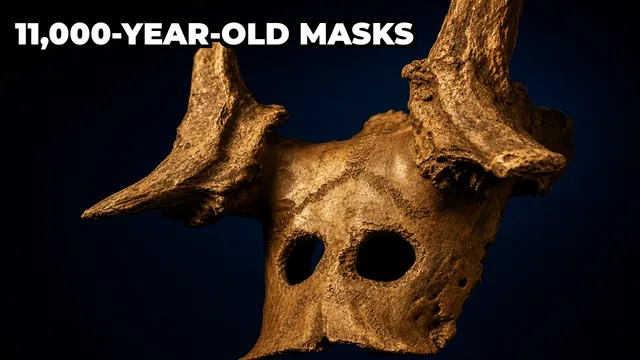 0:05
0:0533 Deer Skull Masks — 11,000 Years Old 🦌😱
Oct 2, 2026 0:34
0:34