The hairy frog (Trichobatrachus robustus), also known as the Wolverine frog, deliberately breaks its own toe bones and forces them through its skin to create razor-sharp bone claws when threatened. This extraordinary defense mechanism makes it the only known vertebrate to weaponize its own skeleton in this brutal fashion.
The Wolverine Frog’s Bone-Breaking Defense
Native to Central and West Africa, particularly Cameroon, the hairy frog employs one of nature’s most extreme defense mechanisms. When threatened, the frog contracts its foot muscles with such violent force that it intentionally fractures its own toe bones. The sharp, broken bone fragments then pierce through the skin of its toe pads, creating functional claws made of pure bone.
Scientists confirmed this remarkable behavior in 2008 through detailed anatomical studies. Unlike every other clawed animal on Earth, these weapons aren’t made of keratin (the material in human fingernails) but actual bone tissue. This makes the hairy frog’s claws unique in the animal kingdom.
The Painful Reality of Self-Mutilation
What makes this defense mechanism particularly disturbing is its cost. The hairy frog re-injures itself every single time it deploys its claws. Researchers believe the bone fragments retract passively once the threat subsides, tearing fresh wounds as they withdraw back into the toe. This means the frog endures significant pain and tissue damage with each use of its defensive system.
The healing process remains poorly understood, though scientists suspect the frog possesses enhanced regenerative abilities to cope with this repeated self-trauma. The exact mechanism by which the bones retract and the wounds heal is still being studied.
Beyond Claws: The Mystery of Frog “Hair”
The hairy frog’s unusual adaptations don’t end with bone claws. During breeding season, males develop distinctive hair-like filaments along their sides and thighs. These aren’t true hairs but specialized skin projections that scientists believe function as external gills, allowing males to extract more oxygen from water while they guard their eggs underwater for extended periods.
This “hair” gives the species its common name and represents another unique adaptation found nowhere else in the amphibian world. The increased surface area likely enhances gas exchange, enabling the devoted fathers to remain submerged longer without surfacing for air.
A Frog Too Dangerous for Bare Hands
Local hunters in Cameroon have learned to respect the hairy frog’s defensive capabilities. Traditional hunting methods involve using machetes and spears rather than attempting to catch these frogs with bare hands. The bone claws are sharp enough to inflict serious wounds on would-be predators or human handlers.
This small amphibian, measuring only 4-5 inches in length, proves that size doesn’t determine an animal’s ability to defend itself. Its reputation among local communities speaks to the effectiveness of its bone-breaking defense strategy.
Scientific Significance and Future Research
The hairy frog challenges our understanding of vertebrate defense mechanisms and pain tolerance. Its ability to repeatedly self-mutilate for survival raises questions about pain perception in amphibians and the evolutionary pressures that could lead to such an extreme adaptation.
Researchers continue studying this species to understand its unique healing processes, which could potentially inform regenerative medicine. The frog’s ability to repeatedly break and heal bone tissue without apparent long-term damage represents a fascinating area of biological research.
FREQUENTLY ASKED
How does the hairy frog break its own bones? ▾
The hairy frog contracts its foot muscles so violently that the force fractures its toe bones, pushing the sharp fragments through its skin.
Where do hairy frogs live in the wild? ▾
Hairy frogs are native to Central and West Africa, with the largest populations found in Cameroon's forests and rivers.
Do the bone claws permanently damage the frog? ▾
The frog re-injures itself each time it uses its claws, but appears to heal completely, though scientists don't fully understand this process.
Why do male hairy frogs grow hair-like filaments? ▾
The hair-like projections likely function as external gills, helping males breathe underwater while guarding their eggs for extended periods.
Are hairy frog claws made of the same material as other animal claws? ▾
No, hairy frog claws are made of pure bone, unlike other animals whose claws are made of keratin.
How big do hairy frogs grow? ▾
Adult hairy frogs typically measure 4-5 inches in length, making them relatively small despite their formidable defenses.
GO DEEPER
KEEP EXPLORING
 0:30
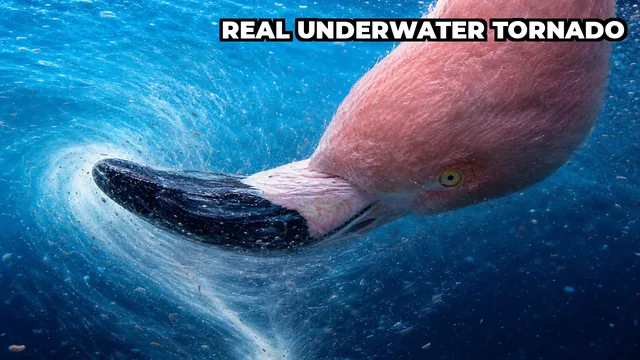
0:30Flamingos Spin Real Underwater Tornadoes 🌪️🦩
Sep 18, 2026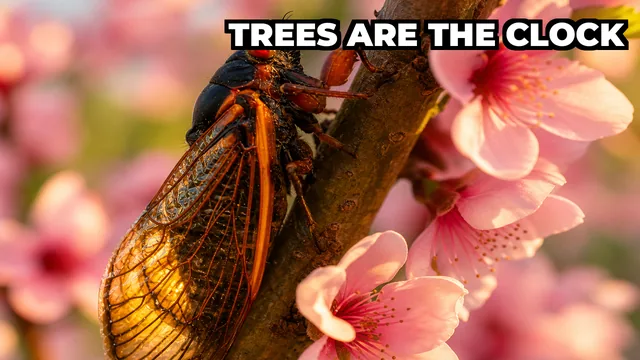 0:33
0:33Cicadas Don't Count Years — They Count Trees 🌳
Sep 16, 2026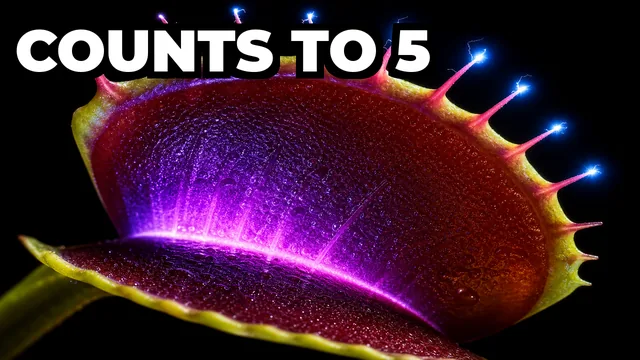 0:15
0:15This Plant Counts To 5 Before It Eats 🪤
Sep 15, 2026 0:25
0:25This Cell Borrowed A Compass — And It Works 🧭
Sep 13, 2026 0:46
0:46Trees Grew Tall for the Wrong Reason 🌳😱
Sep 12, 2026 0:26
0:26