The hoatzin is the only bird on Earth that digests food like a cow through foregut fermentation, and its chicks are born with functional claws on their wings. This bizarre Amazon bird has evolved a completely unique digestive system that produces such a foul odor it’s known as the “stinkbird.”
A Digestive System Like No Other Bird
The hoatzin stands alone among all bird species with its remarkable foregut fermentation system. Unlike other birds that rely on their gizzards to break down food, hoatzins use their enlarged crop—a storage organ in their throat—to ferment tough leaves through bacterial action. This process is identical to how cows, sheep, and other ruminants digest plant matter.
Symbiotic microbes living inside the hoatzin’s crop break down cellulose-rich leaves that would be impossible for most birds to digest. This evolutionary innovation allows hoatzins to thrive on a diet of toxic leaves that other animals cannot consume, giving them access to an abundant food source in the Amazon rainforest.
The Notorious Stink That Protects Them
The fermentation process that makes the hoatzin’s unique diet possible comes with a significant drawback—an overwhelming smell of manure. The bacterial breakdown of leaves produces gases that give these birds such a powerful odor that indigenous hunters across Amazonian communities refuse to eat them, despite hunting other birds regularly.
This putrid smell has earned the hoatzin the universal nickname “stinkbird” throughout its range. However, what seems like a disadvantage is actually a sophisticated defense mechanism. The hoatzin’s own stench serves as natural armor, protecting it from predators and human hunters alike.
Prehistoric Claws That Disappear
Perhaps even more remarkable than their cow-like digestion, hoatzin chicks hatch with two functional claws on each wing. These claws are not decorative—they serve a crucial survival function. When predators threaten the nest, hoatzin chicks will drop into the water below and use their wing claws to climb back up through vegetation to safety.
No other modern bird species exhibits this behavior or possesses functional wing claws. The resemblance to Archaeopteryx, the famous 150-million-year-old transitional fossil between dinosaurs and birds, is striking. Early researchers were so impressed by this similarity that they labeled the hoatzin a “living fossil.”
These claws completely disappear by the time hoatzins reach adulthood, existing only during the vulnerable chick stage when they’re most needed for escape and survival.
An Evolutionary Mystery
The hoatzin occupies a unique position in the bird family tree. It is the sole living member of its own taxonomic order, Opisthocomiformes, with no close relatives anywhere on Earth. This evolutionary isolation reflects the hoatzin’s ancient lineage and highly specialized adaptations.
Genetic studies have struggled to place the hoatzin definitively among other bird groups, highlighting just how distinctive this species truly is. Its combination of unique digestive system, defensive odor, and prehistoric-like wing claws makes it one of the most unusual birds on the planet.
FREQUENTLY ASKED
Where do hoatzin birds live? ▾
Hoatzins live exclusively in the Amazon Basin of South America, inhabiting swamps, riverine forests, and mangroves across countries like Brazil, Peru, Colombia, and Venezuela.
How big are hoatzin birds? ▾
Hoatzins are medium-sized birds measuring about 24-26 inches long with a wingspan of approximately 25 inches, weighing around 1.5-2 pounds.
What do hoatzin birds eat besides leaves? ▾
While leaves make up about 80% of their diet, hoatzins also eat flowers, fruits, and occasionally small amounts of other plant matter from over 50 different plant species.
Can adult hoatzins fly well with their unique digestive system? ▾
Hoatzins are poor fliers due to their enlarged crop and heavy digestive system, typically only flying short distances between trees and preferring to climb through branches.
How long do hoatzin chicks keep their wing claws? ▾
Hoatzin chicks lose their functional wing claws completely within their first few months of life as they develop adult feathers and flight capabilities.
Are hoatzins endangered? ▾
Hoatzins are currently listed as Least Concern, though habitat destruction in the Amazon poses ongoing threats to their wetland environments.
GO DEEPER
KEEP EXPLORING
 0:30
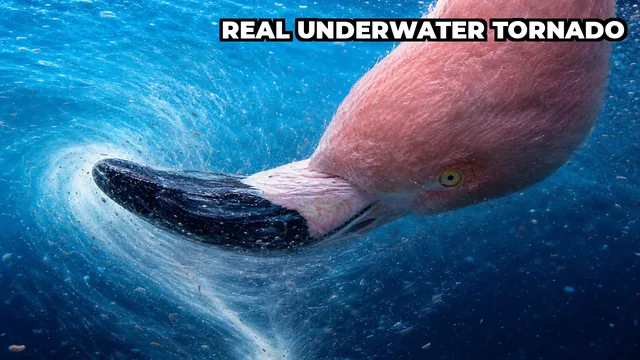
0:30Flamingos Spin Real Underwater Tornadoes 🌪️🦩
Sep 18, 2026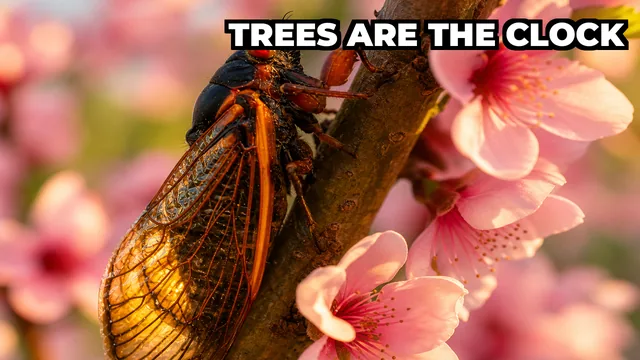 0:33
0:33Cicadas Don't Count Years — They Count Trees 🌳
Sep 16, 2026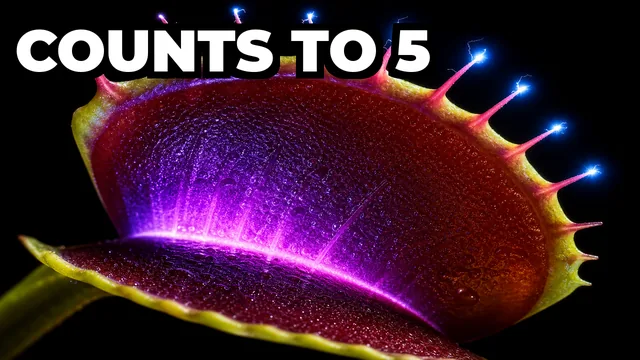 0:15
0:15This Plant Counts To 5 Before It Eats 🪤
Sep 15, 2026 0:25
0:25This Cell Borrowed A Compass — And It Works 🧭
Sep 13, 2026 0:46
0:46Trees Grew Tall for the Wrong Reason 🌳😱
Sep 12, 2026 0:26
0:26