The kitefin shark is the largest glowing vertebrate on Earth, using bioluminescence as a sophisticated camouflage system in the deep ocean. This remarkable shark produces its own light not to be seen, but to become completely invisible to predators and prey.
How Kitefin Sharks Create Their Own Light
Kitefin sharks possess specialized cells called photophores on their bellies that produce controlled bioluminescence. Unlike many glowing creatures that use light to attract mates or prey, these sharks have evolved bioluminescence for the opposite purpose: to disappear entirely. The process involves a chemical reaction between luciferin and luciferase enzymes, similar to fireflies but adapted for underwater use.
The sharks can precisely control the intensity of their glow, adjusting it throughout the day as natural light conditions change in the ocean above. This level of control demonstrates the sophisticated evolution of their bioluminescent system over millions of years.
The Science Behind Invisible Sharks
The kitefin shark’s glowing strategy is called counterillumination camouflage. By producing light from their ventral (belly) surface, these sharks match the faint sunlight filtering down from the ocean surface above. This eliminates their silhouette when viewed from below, making them nearly invisible to both predators and unsuspecting prey.
This camouflage technique is particularly effective in the mesopelagic zone, roughly 200-1000 meters deep, where kitefin sharks typically hunt. At these depths, there’s just enough ambient light to create shadows, but not enough to fully illuminate objects—the perfect conditions for counterillumination to work.
Deep Ocean Mysteries and Future Discoveries
Scientists estimate that 80% of the ocean remains unexplored, meaning the kitefin shark’s recent documentation as the largest bioluminescent vertebrate represents just a fraction of what’s likely waiting to be discovered. The deep ocean environment, with its extreme pressure, perpetual darkness, and unique ecological niches, continues to yield creatures that seem almost alien in their adaptations.
Researchers believe many more large bioluminescent species exist in unexplored deep-sea regions. Advanced submersibles and remote operated vehicles are constantly revealing new species with extraordinary adaptations, suggesting that our understanding of marine bioluminescence is still in its infancy.
Conservation and Research Implications
The discovery and study of kitefin sharks highlight the importance of deep-sea conservation. These ecosystems face increasing threats from deep-sea fishing, mining, and climate change, potentially destroying species before they’re even discovered. Understanding how these remarkable creatures have evolved their bioluminescent abilities also provides insights for biotechnology applications, including medical research and sustainable lighting technologies.
As technology advances and exploration continues, scientists expect to uncover more giants of the deep that challenge our understanding of how life adapts to extreme environments.
FREQUENTLY ASKED
How big do kitefin sharks get? ▾
Kitefin sharks can grow up to 6 feet (1.8 meters) long, making them the largest known bioluminescent vertebrate species.
Do other sharks glow in the dark? ▾
Yes, several smaller shark species are bioluminescent, including lanternsharks and some dogfish species, but the kitefin shark is by far the largest.
Where do kitefin sharks live? ▾
Kitefin sharks inhabit deep waters of the Atlantic, Pacific, and Indian Oceans, typically at depths between 200-1000 meters in the mesopelagic zone.
How do kitefin sharks control their glow? ▾
Kitefin sharks can precisely control the intensity of their bioluminescence through specialized cells called photophores on their bellies, adjusting the light throughout the day as natural light conditions change in the ocean above. This controlled glow is produced by a chemical reaction between luciferin and luciferase enzymes, similar to fireflies but adapted for underwater use.
Why do kitefin sharks glow? ▾
Kitefin sharks use bioluminescence for counterillumination camouflage, producing light from their bellies to match the faint sunlight filtering down from above and eliminate their silhouette when viewed from below. This sophisticated camouflage system makes them nearly invisible to both predators and prey in the deep ocean.
What depth do kitefin sharks hunt at? ▾
Kitefin sharks typically hunt in the mesopelagic zone, roughly 200-1000 meters deep. At these depths, there's just enough ambient light to create shadows but not enough to fully illuminate objects, making it the perfect environment for their counterillumination camouflage to work effectively.
GO DEEPER
KEEP EXPLORING
 0:38
0:38In 1929 The Seafloor Snapped 12 Cables One By One 🌊
Oct 5, 2026 0:44
0:44$8M Robot Vanished 6 Miles Down 🌊 Here's Why
Oct 3, 2026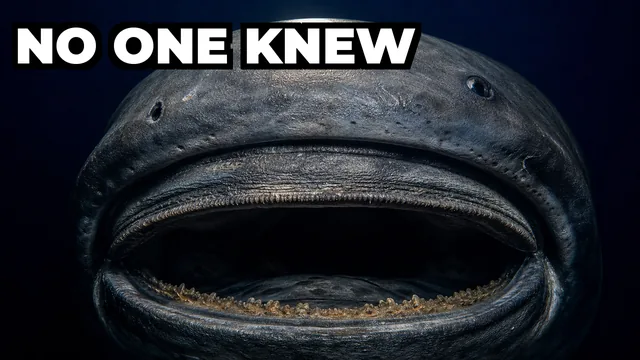 0:32
0:32A Navy Anchor Snagged A 1,500 lb Unknown Shark 🦈
Oct 1, 2026 0:44
0:44They Drove A Nuclear Sub On The Seafloor 😱
Sep 29, 2026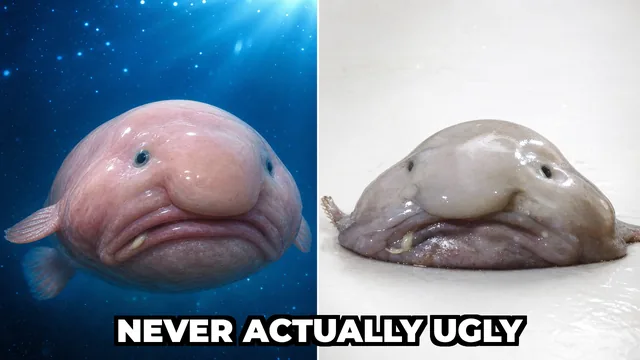 0:51
0:51The 'Ugliest' Animal Was Never Ugly 🐟
Sep 28, 2026 0:23
0:23