What Is the Longest Movement Ever Recorded for an African Mammal?
November 22, 2026
Three African wild dog brothers — the Mayukuyuku males — walked 4,126 kilometres (2,564 miles) across Zambia between mid-2025 and April 2026, setting the longest movement ever recorded for any African mammal, according to a GPS-collar study of 19 wild dog groups published in the journal Ecology in September 2026.
Why Did the Brothers Leave Their Pack?
African wild dogs live in tight, cooperative packs with a strict breeding hierarchy. In almost every pack, only the dominant pair reproduces — meaning the vast majority of subordinate males will never sire pups if they stay home. When the three Mayukuyuku brothers reached roughly three years old in July 2025, they did what many young males eventually do: they left Kafue National Park and ran.
This behaviour is called dispersal — a well-documented phenomenon in wild dogs, but rarely tracked at this scale. Dispersing animals typically travel in search of mates and unclaimed territory. The alternative, staying put, almost guarantees reproductive failure.
How Far Did They Actually Travel?
A GPS collar fitted to one of the brothers recorded the full route across central Zambia over approximately nine months. The path was not a straight line. The brothers wound around roads, rivers, and human settlements, and it was precisely those detours that accumulated the extraordinary distance. The movement was not unusually fast — it was unusually persistent.
The final tally: 4,126 km (2,564 miles). The previous record for any African mammal — roughly 2,250 km (about 1,400 miles) — was held by three wild dog sisters tracked by the same research team in an earlier study. The Mayukuyuku brothers nearly doubled that distance.
Where Did They End Up?
By April 2026, the three brothers had settled in the Luano Game Management Area in Zambia’s Luangwa Valley. The research team chose that destination as noteworthy for a specific reason: the Luangwa Valley holds one of the highest densities of African wild dogs remaining anywhere on the continent. Whether by instinct, information, or chance, the brothers had arrived in one of the best possible places to find unattached females and establish a pack of their own.
At the time the study was published in September 2026, it was still unknown whether the brothers had successfully found mates.
What Does the Study Tell Us About Wild Dog Dispersal?
The research, which tracked 19 separate wild dog groups across Zambia using GPS collars, is one of the most comprehensive dispersal studies ever conducted on the species. Its findings suggest that the scale of wild dog movement has been significantly underestimated. Because dispersing animals travel through unprotected land, farmland, and areas with heavy human activity, they face threats that resident packs rarely encounter — snares, traffic, and direct persecution among them.
Understanding just how far wild dogs can and do travel has direct implications for conservation planning. Protected areas that appear isolated on a map may still be functionally connected — if the corridors in between remain passable.
Why African Wild Dogs Are Already Remarkable
African wild dogs (Lycaon pictus) are among the most endangered large carnivores on the continent, with fewer than 6,600 individuals estimated to remain in the wild. They have the highest hunting success rate of any large African predator — often exceeding 80% — and are known for elaborate greeting rituals and cooperative pup-rearing that involves the entire pack. Their social bonds are what make dispersal so costly: leaving the pack means losing the safety net of cooperative hunting and defence. The Mayukuyuku brothers did it anyway, together, which may itself have improved their odds of surviving the journey.
Three brothers, locked out of breeding at home, walked farther than any African mammal on record — just for a chance.
FREQUENTLY ASKED
What is the longest movement ever recorded for an African mammal? ▾
The longest recorded movement for any African mammal is 4,126 km (2,564 miles), completed by three African wild dog brothers — the Mayukuyuku males — across Zambia between mid-2025 and April 2026.
Why do African wild dogs leave their pack? ▾
In wild dog packs, only the dominant pair breeds, so subordinate males and females disperse to find mates and establish their own packs — a behaviour known as natal dispersal.
Where did the Mayukuyuku wild dog brothers end up? ▾
By April 2026, the three brothers had settled in the Luano Game Management Area in Zambia's Luangwa Valley, a region with one of the highest wild dog densities on the continent.
How was the wild dogs' record-breaking journey tracked? ▾
A GPS collar fitted to one of the three brothers recorded the full route; the data was part of a study monitoring 19 wild dog groups across Zambia, published in the journal Ecology in September 2026.
How many African wild dogs are left in the wild? ▾
Fewer than approximately 6,600 African wild dogs are estimated to remain in the wild, making them one of the most endangered large carnivores in Africa.
What was the previous record for the longest wild dog dispersal? ▾
The previous record was roughly 2,250 km (about 1,400 miles), set by three wild dog sisters tracked by the same Zambian research team in an earlier GPS-collar study.
GO DEEPER
KEEP EXPLORING
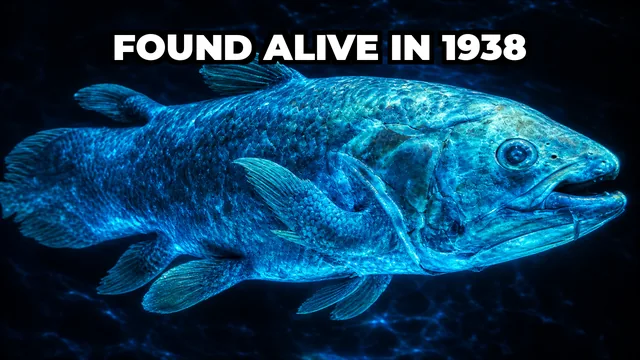 0:39
The 'Extinct' Fish That Turned Up in 1938 🐟
Nov 21, 2026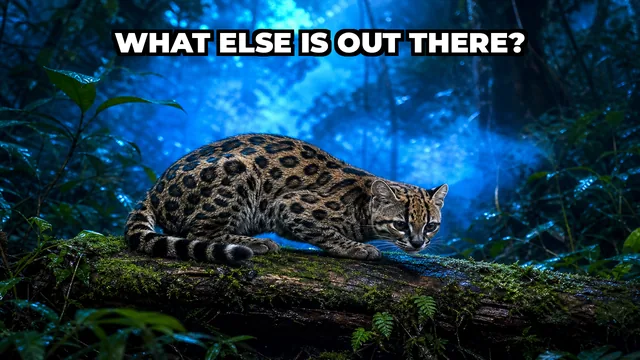 0:52
A New Wild Cat Was Hiding in Plain Sight 🐆
Nov 20, 2026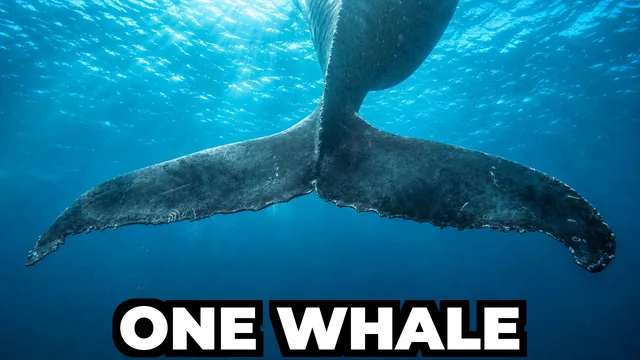 0:15
One Whale Can Feed the Deep for 100 Years. How? 🌊
Nov 18, 2026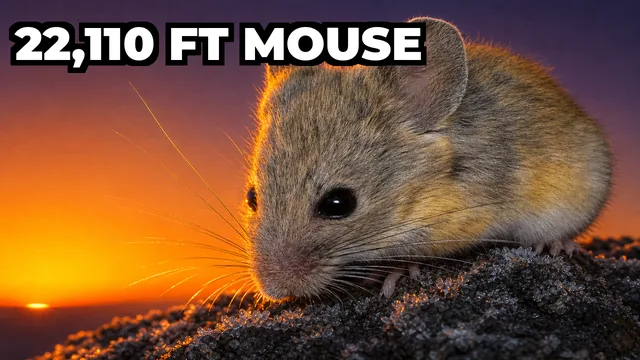 0:43
How Does a Mouse Survive at 22,110 ft? 🐭
Nov 17, 2026 0:09
This Beaver Dam Is Twice as Long as Hoover Dam 🦫
Nov 15, 2026 0:23