What Are the Most Dangerous Places on Earth Humans Should Never Visit?
April 4, 2026
Earth contains numerous locations so hostile, isolated, or deadly that humans were never meant to set foot there. From ancient islands protected by indigenous tribes to nuclear disaster zones and natural phenomena that defy comprehension, these forbidden places represent the planet’s most extreme and dangerous environments.
Islands Time Forgot
North Sentinel Island stands as one of Earth’s last untouched territories, home to the Sentinelese people who have maintained complete isolation for approximately 60,000 years. The Indian government legally protects this island, making any contact attempt both illegal and potentially deadly. The inhabitants actively defend their territory against outsiders, and their lack of immunity to modern diseases makes visitation a threat to their very survival.
Subterranean Death Traps
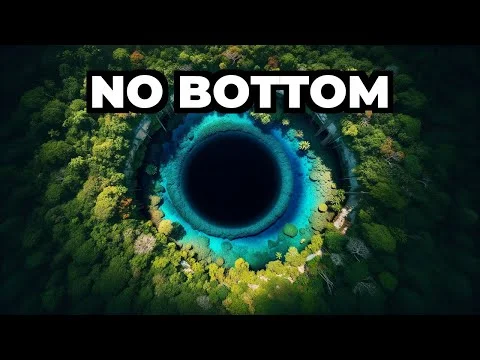
Beneath our feet lie some of the world’s most treacherous environments. Flooded underground tunnel systems, with over 215 miles mapped in some locations, present deadly challenges even to experienced cave divers. These submerged labyrinths offer no surface access for hundreds of meters, creating situations where a single equipment failure or navigational error proves fatal.
Nuclear Wastelands
Chernobyl’s Exclusion Zone remains one of the most radioactively contaminated areas on Earth, decades after the 1986 disaster. While nature has reclaimed much of the abandoned territory, radiation levels in certain hotspots still pose severe health risks. The area serves as a haunting reminder of technology’s potential for creating uninhabitable landscapes.
Natural Phenomena Beyond Human Tolerance
Lake Natron in Tanzania represents nature at its most alien, with water so alkaline it can literally turn animals into stone-like statues. The lake’s extreme pH levels and scorching temperatures create conditions that few life forms can survive. Similarly, the Darvaza Gas Crater in Turkmenistan—known as the “Door to Hell”—has burned continuously since 1971, creating a landscape that resembles something from another planet.
The Ocean’s Deepest Secrets
The Mariana Trench plunges to depths of nearly 36,000 feet, creating pressure conditions that would instantly crush human bodies. This underwater realm remains more mysterious than Mars, with better maps existing of the Red Planet than of our own ocean floor. The extreme conditions at these depths require specialized equipment that pushes the boundaries of human engineering.
Frozen Time Capsules
Vostok Station in Antarctica sits above a lake that has been sealed beneath ice for 15 million years. Scientists have discovered DNA in this ancient water that matches nothing currently known on Earth, suggesting the lake may harbor completely unique life forms. The pristine nature of this environment makes human contamination a serious scientific concern.
Remote Ocean Graveyards
Point Nemo, the oceanic pole of inaccessibility, serves as a spacecraft graveyard where decommissioned satellites and space stations meet their final rest. Located further from land than the International Space Station is from Earth, this remote location represents ultimate isolation on our planet’s surface.
FREQUENTLY ASKED
Why is North Sentinel Island legally protected from visitors? ▾
The Indian government protects North Sentinel Island to preserve the indigenous Sentinelese people's isolation and prevent disease transmission that could devastate their population.
What makes the Mariana Trench so dangerous for humans? ▾
The Mariana Trench's extreme depth creates crushing pressure over 1,000 times greater than sea level, along with near-freezing temperatures and complete darkness.
How long will Chernobyl remain dangerous to humans? ▾
Chernobyl's most contaminated areas will remain hazardous for thousands of years, though radiation levels continue to decrease gradually over time.