What Is Ireland's 5,000-Year-Old Monument That's Older Than the Pyramids?
May 9, 2026
Newgrange is a 5,000-year-old passage tomb in Ireland’s Boyne Valley that predates Egypt’s Great Pyramid by 600 years and Stonehenge by 1,000 years. Built around 3200 BCE, this Neolithic monument demonstrates extraordinary astronomical precision and engineering that continues to function perfectly today.
Ancient Engineering That Defies Understanding
The builders of Newgrange achieved something remarkable without metal tools, written language, or modern technology. They constructed a 19-meter stone passage that channels sunlight with mathematical precision. Every winter solstice, for exactly 17 minutes at dawn, sunlight travels down this narrow corridor and illuminates the inner chamber floor. This phenomenon occurs for only five days each December, requiring visitors to wait a full year if they miss the window.
Archaeologists have confirmed this alignment was intentional. The natural landscape alone could never produce such precise solar timing, proving that Neolithic farmers possessed sophisticated astronomical knowledge and engineering capabilities that challenge our assumptions about prehistoric civilizations.
Waterproof for Five Millennia
Perhaps most impressive is Newgrange’s corbelled roof construction, which has kept the interior completely dry for over 5,000 years without any modern repairs. This ancient waterproofing technology surpasses contemporary engineering—modern car parks rarely remain waterproof for 50 years, yet Neolithic builders created a structure that has withstood five millennia of Irish weather.
The monument required transporting approximately 200,000 tonnes of material. The distinctive white quartz facade came from quarries up to 70 kilometers away, demonstrating sophisticated logistics and organization among prehistoric communities.
Artistic and Cultural Significance
Newgrange features 97 massive kerbstones arranged around its base, many decorated with intricate carvings. The swirling triple spirals and geometric patterns represent some of Europe’s finest Neolithic art. These symbols, carved before the invention of writing, may encode astronomical or spiritual knowledge we’re still trying to decode.
The monument’s purpose remains debated among scholars. While clearly functioning as a passage tomb, its precise solar alignment suggests it served broader ceremonial or religious functions related to seasonal cycles and astronomical observations.
Rediscovery and Modern Recognition
After centuries buried under earth and vegetation, Newgrange was rediscovered in 1699 by workers quarrying stones. Archaeological excavations in the 1960s revealed the winter solstice alignment, transforming understanding of the site’s significance.
Today, Newgrange is a UNESCO World Heritage Site, recognized alongside the nearby monuments of Knowth and Dowth as the Brú na Bóinne complex. The site attracts researchers and visitors worldwide, offering tangible evidence of sophisticated prehistoric civilizations that flourished in Ireland long before the rise of ancient Egypt or Greece.
FREQUENTLY ASKED
How old is Newgrange compared to famous ancient monuments? ▾
Newgrange was built around 3200 BCE, making it 600 years older than the Great Pyramid of Giza and roughly 1,000 years older than Stonehenge.
Can visitors see the winter solstice event at Newgrange? ▾
Yes, but access is extremely limited due to the chamber's small size, and there's typically a long waiting list to witness the 17-minute solstice illumination.
What makes Newgrange's construction so remarkable? ▾
The monument has remained completely waterproof for 5,000 years and demonstrates precise astronomical alignment, all achieved without metal tools or written language.
Where is Newgrange located in Ireland? ▾
Newgrange is located in Ireland's Boyne Valley and is part of the Brú na Bóinne complex, which also includes the nearby monuments of Knowth and Dowth.
What kind of art and carvings are found at Newgrange? ▾
Newgrange features 97 massive kerbstones decorated with intricate carvings including swirling triple spirals and geometric patterns that represent some of Europe's finest Neolithic art. These symbols were carved before the invention of writing and may encode astronomical or spiritual knowledge.
When was Newgrange rediscovered and by whom? ▾
Newgrange was rediscovered in 1699 by workers who were quarrying stones, after being buried under earth and vegetation for centuries. Archaeological excavations in the 1960s later revealed the winter solstice alignment.
GO DEEPER
KEEP EXPLORING
 0:34
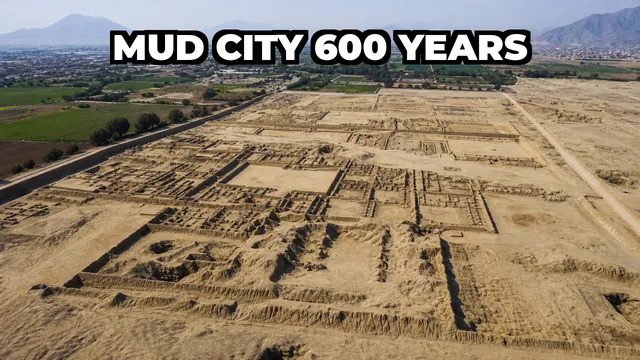
0:34A City Built From Mud That Outlasted Empires 🏜️
Sep 21, 2026 0:21
0:21A 40-Mile Lake Was Hidden In The Grand Canyon 🌊
Sep 21, 2026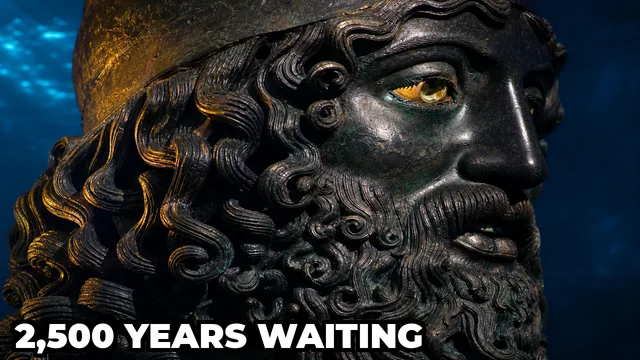 0:40
0:40Lost 2,500 Years — Then a Diver Found Them 🌊
Sep 20, 2026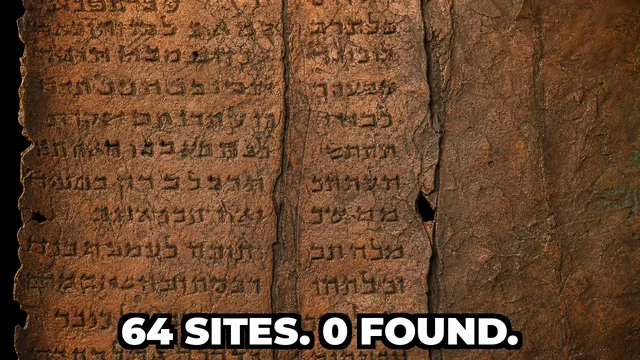 0:50
0:50The Treasure Map Carved In Copper 🗺️ (64 Sites, 0 Found)
Sep 19, 2026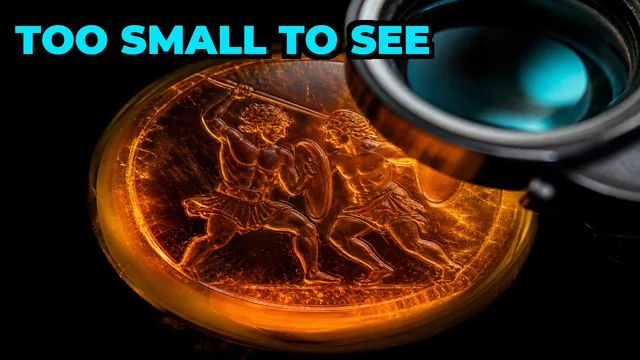 0:43
0:43This 3,500yr-Old Gem Hides Carvings Too Small To See 🔍
Sep 17, 2026 0:26
0:26