How Many Ocean Species Have Scientists Discovered?
Scientists have formally identified fewer than 250,000 marine species out of an estimated 2.2 million that are believed to exist in the ocean — but a historic international mission called the Ocean Census is now racing to close that staggering gap, having already formally described over 800 species previously unknown to science.
The Scale of What We Don’t Know
The ocean covers more than 70 percent of Earth’s surface, yet it remains the least explored environment on the planet. Scientists estimate that somewhere between 700,000 and 2.2 million species live beneath its surface. The most widely cited figure sits at around 2.2 million. Before the Ocean Census launched, fewer than 250,000 of those had ever been formally named and described. That means roughly 90 percent of ocean life has never once had a name — never been studied, never been understood, never even been acknowledged by science.
This is not because the species are impossibly hard to find. Many of them were already found. Thousands of preserved specimens had been sitting in jars and drawers inside natural history museums around the world for years — sometimes decades — waiting for a scientist with the time and expertise to formally describe them. This backlog of unidentified specimens is one of the central problems the Ocean Census was designed to solve.
What Is the Ocean Census?
The Ocean Census is the largest coordinated effort to survey and catalog marine life ever attempted. It brings together scientists, research institutions, museums, and exploration teams from across the globe in a unified push to dramatically accelerate the pace of species discovery. Its target is extraordinary: 100,000 newly described ocean species within a single decade.
To put that in perspective, the current global pace of marine species identification has historically produced roughly 2,000 new descriptions per year. The Ocean Census aims to achieve four to five times that rate — a fundamental transformation in how humanity understands the living ocean.
The mission works on two fronts simultaneously. First, it is clearing the museum backlog, formally describing specimens that were collected but never processed. Second, it is conducting new deep-ocean expeditions to actively collect samples from environments that have barely been explored, including the deep seafloor, underwater mountains, and cold-water coral ecosystems.
Why Naming Species Matters
A species that has not been formally described does not officially exist in the scientific record. It cannot be protected by conservation law. It cannot be studied in relation to other species. It cannot be monitored for population decline. Every unnamed species in the ocean represents a blind spot in our understanding of the planet’s largest and most critical ecosystem.
The ocean regulates Earth’s climate, produces a significant portion of the oxygen we breathe, and supports food systems that billions of people depend on. Understanding what lives there — and how those organisms interact — is not a matter of scientific curiosity alone. It is a practical necessity.
800 Species Down, Millions to Go
The Ocean Census has now formally described over 800 species that were completely unknown to science before this mission began. These include new fish, crustaceans, worms, mollusks, and other invertebrates found across a range of ocean environments. Each one adds a new data point to the global map of life.
Eight hundred species sounds like a significant number — and it is. But against the backdrop of millions yet to be named, it is also a reminder of how much remains invisible. The ocean floor, in many regions, has been touched less than the surface of the Moon. The Ocean Census represents the most serious attempt in history to change that.
FREQUENTLY ASKED
What is the Ocean Census? ▾
The Ocean Census is the largest international effort ever launched to discover and formally describe marine species, with a goal of identifying 100,000 new ocean species within ten years.
How many ocean species are there in total? ▾
Scientists estimate there are approximately 2.2 million species living in the ocean, though fewer than 250,000 had been formally identified before the Ocean Census began.
Why are so many marine species still unnamed? ▾
The ocean is vast and largely unexplored, and formal species description requires significant scientific expertise and time — creating a global backlog of collected but unprocessed specimens.
How fast are scientists discovering new ocean species? ▾
Historically, scientists described around 2,000 new marine species per year; the Ocean Census aims to accelerate that to four or five times the previous rate.
Why do undiscovered ocean species matter for conservation? ▾
A species without a formal scientific description cannot be legally protected or monitored, meaning unnamed ocean life is effectively invisible to conservation efforts and environmental policy.
What kinds of new species has the Ocean Census found? ▾
The Ocean Census has formally described over 800 previously unknown species including new fish, crustaceans, mollusks, worms, and various marine invertebrates from multiple ocean environments.
GO DEEPER
KEEP EXPLORING
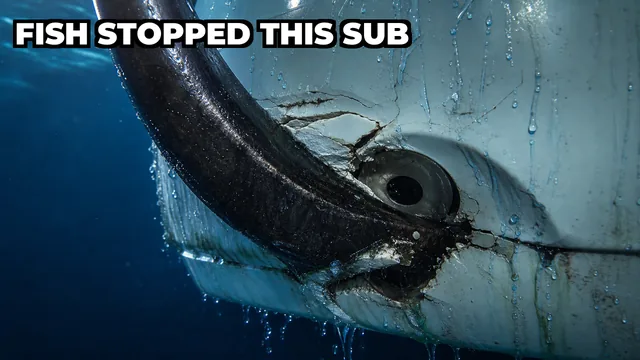 0:23
0:23A Swordfish Stopped This Sub at 2,000ft 🐟😱
Sep 26, 2026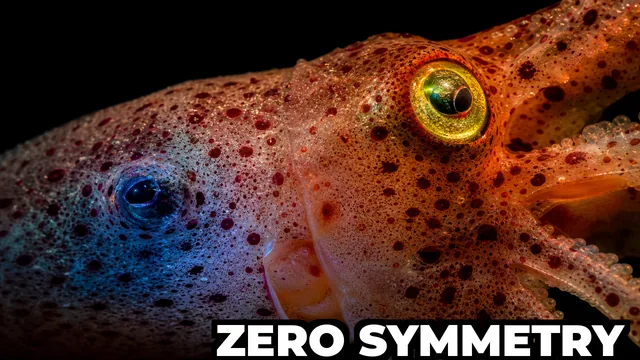 0:42
0:42This Squid Has Two Completely Different Eyes 🦑
Sep 25, 2026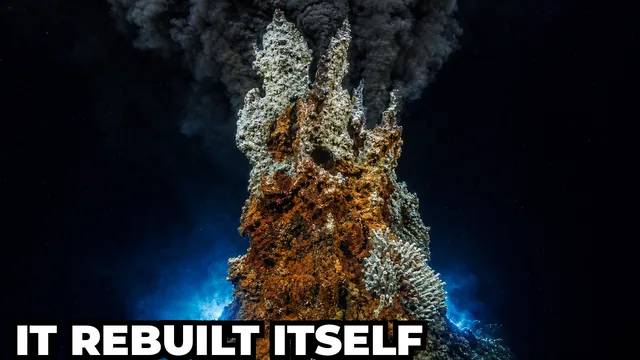 0:34
0:34The 150ft Ocean Tower That Keeps Rising 🌋
Sep 22, 2026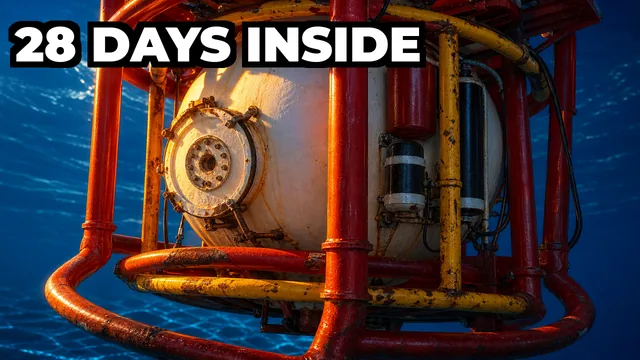 0:46
0:46These Divers Spend 28 Days At 1,000ft Deep 🌊
Sep 21, 2026 0:40
0:40Lost 2,500 Years — Then a Diver Found Them 🌊
Sep 20, 2026 0:39
0:39