The Short Answer
The rainbow eucalyptus (Eucalyptus deglupta) changes color because it sheds its outer bark in patches throughout the year, revealing fresh chlorophyll-rich inner layers that oxidize over weeks — shifting from vivid green through blue, purple, orange, and finally deep maroon.
What Makes the Bark Change Color?
Unlike most trees that shed bark once a season or not at all, the rainbow eucalyptus peels continuously and unevenly. Every time a strip of outer bark falls away, it exposes a new inner layer saturated with chlorophyll — the same pigment that makes leaves green. That fresh surface glows a bright, almost electric green.
But exposed to air and sunlight, the chlorophyll begins to break down and the underlying compounds oxidize. Over the following weeks, the patch transitions through a predictable sequence: green fades into blue, blue deepens into purple, purple warms into orange, and orange finally darkens to a rich maroon. Because patches across the trunk are peeling at different moments in this cycle, every color appears on the tree simultaneously. No artist, no dye — just chemistry and time.
How Tall Does the Rainbow Eucalyptus Grow?
In its native rainforest habitat, Eucalyptus deglupta is a genuine giant. It regularly reaches heights above 200 feet (about 60 meters), making it one of the tallest hardwood trees on Earth. In plantation settings and along roadsides in tropical regions, it grows somewhat shorter but still dramatically fast — gaining several feet per year under the right conditions.
Where Does the Rainbow Eucalyptus Grow Naturally?
The rainbow eucalyptus is native to the Philippines — particularly the island of Mindanao — as well as parts of Papua New Guinea and Indonesia. It holds a unique distinction: it is the only eucalyptus species whose natural range extends into the Northern Hemisphere. While the vast majority of eucalyptus species are native to Australia, deglupta evolved in the tropical rainforests of Southeast Asia and Oceania.
Because it thrives in warm, humid, frost-free climates, it has been successfully planted in tropical and subtropical regions worldwide. One of the most visited groves outside its native range lines the road through Keahua Arboretum on the island of Kauai, Hawaii, where visitors often stop just to photograph the trunks.
Is the Color Pattern the Same on Every Tree?
No — and that is part of what makes this species so remarkable. Because bark patches peel independently and at different rates across the surface of each trunk, the exact combination of colors on any given tree at any given moment is completely unique. No two rainbow eucalyptus trunks look the same, and the same tree looks different week to week. The trunk is, in effect, a living painting that never stops changing.
Why Doesn’t This Happen to Other Trees?
Most trees produce bark that is thick, corky, and chemically stable — designed to protect the living tissue underneath rather than display it. The rainbow eucalyptus produces bark that is comparatively thin and sheds in irregular strips rather than a single annual layer. The inner bark (phloem) also contains unusually high concentrations of chlorophyll and other pigment-producing compounds that react visibly to oxidation. The combination of continuous shedding and reactive inner chemistry is what produces the color sequence — and it is essentially unique to this species among all known trees.
A Tree That Paints Itself
The rainbow eucalyptus is a reminder that some of the most visually stunning things on Earth require no human intervention. A single biological process — bark renewal — produces a continuously shifting canvas of color that no painter could replicate, on a trunk that can stand taller than a 20-story building. It grows, it peels, it colors itself, and then it starts over. Every single week.
FREQUENTLY ASKED
Why does rainbow eucalyptus bark turn different colors? ▾
The fresh inner bark is rich in chlorophyll, which glows green when first exposed, then oxidizes over weeks into blue, purple, orange, and finally dark maroon as pigments break down in air and sunlight.
Where does the rainbow eucalyptus tree grow naturally? ▾
It is native to Mindanao in the Philippines, Papua New Guinea, and parts of Indonesia — making it the only eucalyptus species with a natural range in the Northern Hemisphere.
How tall can a rainbow eucalyptus tree grow? ▾
In its native rainforest, Eucalyptus deglupta can exceed 200 feet (about 60 meters), making it one of the tallest hardwood trees in the world.
Can you see rainbow eucalyptus trees in the United States? ▾
Yes — one of the most accessible groves is along the road through Keahua Arboretum on Kauai, Hawaii, where rows of rainbow eucalyptus are a popular roadside attraction.
How fast does the rainbow eucalyptus grow? ▾
Eucalyptus deglupta is an exceptionally fast-growing tree, capable of adding several feet of height per year in warm, humid, frost-free conditions.
Is the rainbow eucalyptus tree related to Australian eucalyptus species? ▾
It belongs to the same genus as Australian gum trees but evolved separately in Southeast Asia and Oceania, and unlike most eucalyptus species it is not native to Australia at all.
GO DEEPER
KEEP EXPLORING
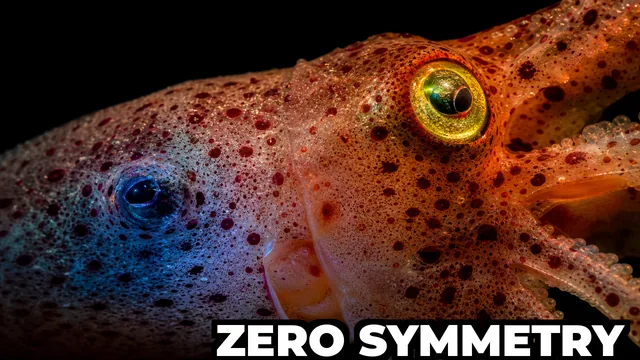 0:42
0:42This Squid Has Two Completely Different Eyes 🦑
Sep 25, 2026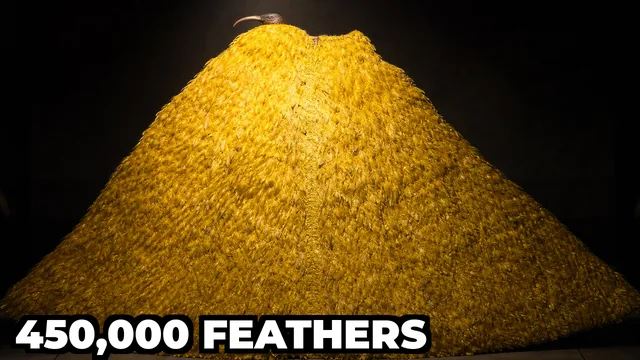 0:37
0:37Hawaii's Sacred Cloak Took 450,000 Feathers 🪶
Sep 25, 2026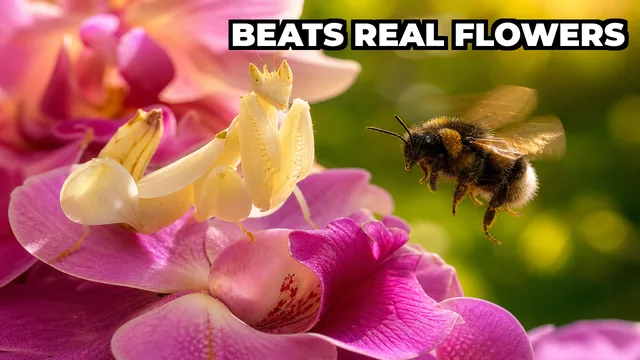 0:21
0:21This Bug Attracts More Bees Than Real Flowers 🌸
Sep 24, 2026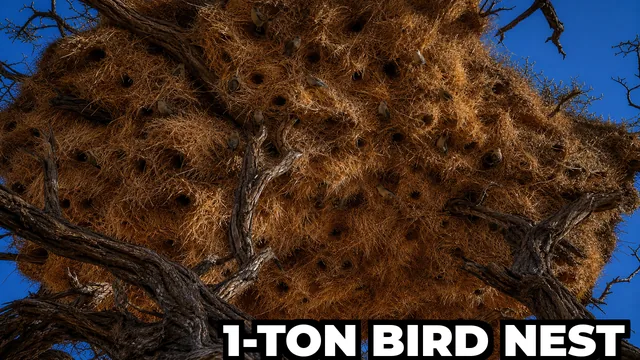 0:18
0:18The Bird That Builds a 1-Ton Apartment 🪶
Sep 23, 2026 0:32
0:32Lost 169 Years, This Mushroom Glows on a Clock 🍄✨
Sep 22, 2026 0:30
0:30