On November 11, 2026, Okaloosa County, Florida, deliberately sank the 990-foot ocean liner SS United States approximately 22 nautical miles southwest of Destin, where she settled upright on the Gulf of Mexico floor at roughly 180 feet of depth — making her the largest artificial reef on Earth.
The Ship That Held a Record for Over 70 Years
The SS United States was no ordinary ocean liner. On her maiden voyage in July 1952, she crossed the Atlantic eastbound in just 3 days, 10 hours, and 40 minutes, averaging 35.59 knots. That record has never been beaten by any passenger ocean liner. The achievement earned her the Blue Riband, the prestigious award for the fastest transatlantic passenger crossing, which she still holds today.
Her designer, William Francis Gibbs, kept her true top speed classified as a military secret. The ship had been partially funded by the U.S. government because her design allowed her to be rapidly converted into a troop transport capable of carrying up to 14,000 soldiers — a strategic asset during the Cold War era.
Decades of Decline After Retirement
Despite her record-breaking speed and historical significance, the SS United States carried her last passengers in 1969. What followed was more than half a century of deterioration at various piers, mostly in Philadelphia. Preservation groups and developers floated dozens of proposals: a floating hotel, a museum ship, a dockside attraction. Each plan ultimately collapsed under the staggering weight of restoration costs estimated in the hundreds of millions of dollars. By the time serious scuttling conversations began, her interior had already been stripped and gutted.
A rent dispute with the owner of her Philadelphia pier came to a head in 2024, ending in a court order that left her future with only two options: the scrapyard or the seafloor.
Why Okaloosa County Chose the Sea
Okaloosa County, home to some of Florida’s most popular Gulf Coast beaches, purchased the vessel and chose scuttling. The county already operates one of the most successful artificial reef programs in the United States, and the SS United States represented an unprecedented opportunity. At 990 feet — longer than three football fields — no artificial reef structure anywhere in the world comes close to her scale.
Before the sinking, her funnels were removed and the hull was cleaned to meet environmental standards. On November 11, 2026, she slipped beneath the surface and came to rest upright on the sandy Gulf floor, her superstructure rising dramatically into the water column.
How a Steel Hulk Becomes a Living Reef
On a featureless sandy seafloor, hard substrate is extraordinarily rare and valuable. Within weeks of the sinking, algae and bacteria began colonizing the hull’s surfaces. Sponges and soft corals follow, creating three-dimensional structure that invertebrates graze on. Small fish arrive seeking shelter. Larger predators trail behind them.
The ship’s immense size creates its own localized oceanography: currents deflected around and over the hull push cold, nutrient-rich water upward from the bottom, fueling plankton blooms that anchor an entire food web. Over years and decades, the SS United States will become a dense, layered ecosystem — a city of marine life built on the bones of the fastest ocean liner ever to sail.
A Second Life Beneath the Waves
The SS United States spent 57 years going nowhere, rusting quietly at a pier while the world debated what to do with her. Her fate — the seafloor — turned out to be the most fitting ending imaginable for a ship built to push boundaries. She is now accessible to experienced divers and will anchor marine research and sport fishing for generations. The fastest liner ever built has found her strangest and most permanent purpose: as the foundation of a living underwater city.
FREQUENTLY ASKED
Where exactly was the SS United States sunk? ▾
The SS United States was scuttled approximately 22 nautical miles southwest of Destin, Florida, in the Gulf of Mexico, settling upright at roughly 180 feet of depth.
What is the world's largest artificial reef? ▾
As of November 11, 2026, the SS United States holds that title — at 990 feet long, no other deliberately sunk structure comes close to her size.
Why was the SS United States never turned into a museum? ▾
Every preservation plan collapsed due to restoration costs estimated in the hundreds of millions of dollars; her interior had already been stripped, making a museum conversion economically unviable.
What speed record does the SS United States still hold? ▾
She holds the Blue Riband for the fastest eastbound transatlantic passenger crossing — 3 days, 10 hours, and 40 minutes at an average speed of 35.59 knots, set in July 1952.
Can divers visit the SS United States wreck near Destin? ▾
Yes, though at approximately 180 feet the wreck is at the limit of recreational diving and is best suited for experienced technical divers; it is expected to become a major dive destination.
How does an artificial reef like the SS United States benefit marine life? ▾
The hard steel substrate supports algae, sponges, and corals in a seafloor environment that is otherwise bare sand, and the ship's bulk deflects currents upward, bringing nutrients that fuel an entire food web.
GO DEEPER
KEEP EXPLORING
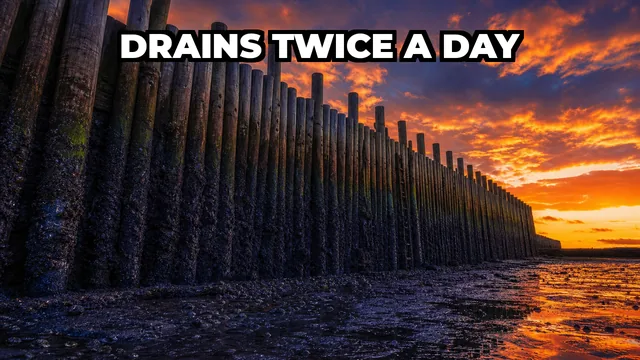 0:59
Over 160 Billion Tons Flood This Bay Twice a Day 🌊
Nov 25, 2026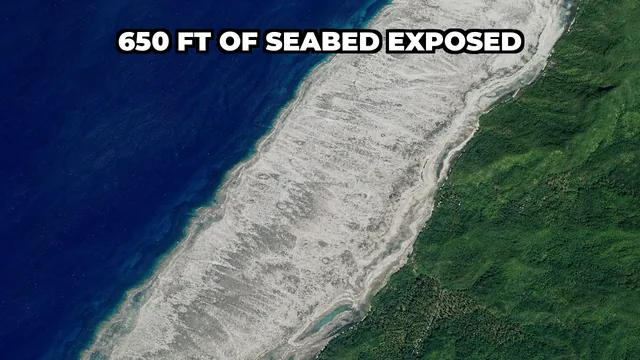 0:53
A 7.8 Quake Lifted the Seabed & Stranded a Reef 🌊
Nov 23, 2026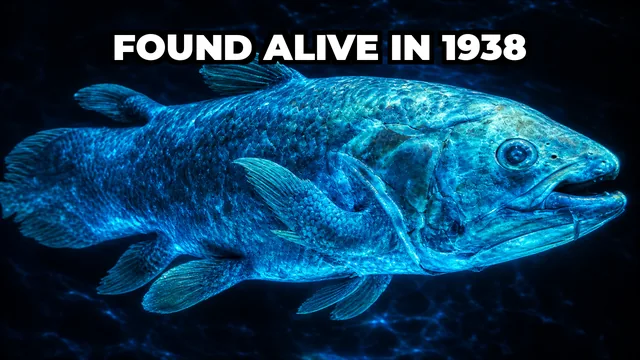 0:39
The 'Extinct' Fish That Turned Up in 1938 🐟
Nov 21, 2026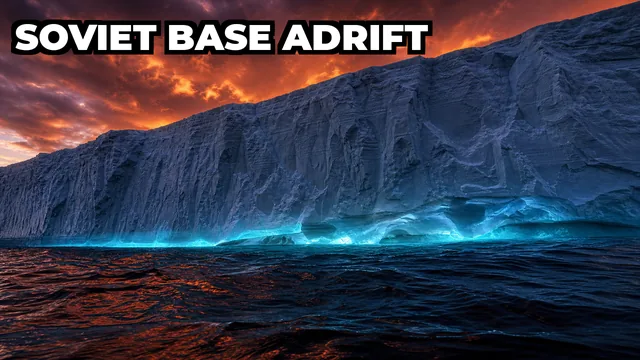 0:15
Where Is Iceberg A23a Now? It Once Carried a Soviet Base 🧊
Nov 19, 2026 0:16
500 Years Lost, Found 8,400ft Down 🌊
Nov 19, 2026 0:15