The First Pharaoh’s Tomb Found in a Century
In 2025, archaeologists uncovered the tomb of Thutmose II in Egypt’s Valley of the Kings — the first royal pharaoh’s tomb discovered since Tutankhamun’s in 1922, making it the most significant Egyptian royal burial find in over one hundred years. The tomb was nearly empty, stripped bare by an ancient flood that swept through the chamber thousands of years ago.
Who Was Thutmose II?
Thutmose II was an ancient Egyptian pharaoh of the Eighteenth Dynasty who ruled approximately 3,500 years ago, around 1492–1479 BCE. He is perhaps best known not for his own reign, but for his marriage to Hatshepsut — one of the most powerful and remarkable rulers in all of Egyptian history. Hatshepsut would go on to reign as pharaoh in her own right, one of only a handful of women ever to hold that title in ancient Egypt. Thutmose II’s place in history has long been overshadowed by his extraordinary wife, making this tomb discovery all the more significant for researchers trying to understand his life and legacy.
A Mummy Without a Tomb — For 140 Years
One of the most startling aspects of this discovery is the timeline. The mummy of Thutmose II was not found inside this newly uncovered tomb. It had already been discovered back in 1881, more than 140 years earlier, hidden among a cache of royal mummies at Deir el-Bahri. Egyptologists have studied his physical remains for over a century, yet until 2025, no one knew where his actual burial chamber was located. This reversal — body before tomb — is almost unprecedented in the history of Egyptology.
What the Ancient Flood Left Behind
When archaeologists finally entered the burial chamber, they found it devastatingly empty. The Valley of the Kings is one of the driest places on Earth, receiving almost no rainfall in a typical year. But rare and violent desert storms do occur, and when they do, flash floods can tear through the narrow wadis and rock-cut corridors with extraordinary force. That is exactly what happened here. An ancient flood forced its way into the tomb, washing away virtually everything inside — treasures, grave goods, offerings, and any inscriptions or objects that might have told us more about the king’s reign.
Ancient priests appear to have intervened before the damage was total. Evidence suggests they removed what remained of value, likely transferring items elsewhere for safekeeping — a practice documented in other royal burials of the period. Whether those rescued objects survive somewhere, yet undiscovered, is a question that haunts researchers.
Why This Discovery Still Matters
Even emptied, the tomb of Thutmose II rewrites part of the archaeological record. The structure itself — its location, design, and architectural features — provides new information about royal burial practices during the Eighteenth Dynasty. It also raises the tantalizing possibility that additional caches or hidden chambers associated with this tomb may still be buried nearby, waiting to be found.
For over a century, Egyptologists assumed that the Valley of the Kings had given up its last royal secrets. This discovery proves otherwise. The valley, it seems, still has more to say.
What Comes Next
Excavations at and around the site are ongoing. Researchers are using ground-penetrating radar and other non-invasive technologies to search for adjacent chambers or buried deposits that may contain the objects removed by ancient priests. The story of Thutmose II’s tomb is far from over — it may, in fact, be just beginning.
FREQUENTLY ASKED
When was the tomb of Thutmose II discovered? ▾
The tomb of Thutmose II was discovered in 2025, making it the first pharaoh's tomb found since Tutankhamun's was uncovered in 1922.
Why was the tomb of Thutmose II empty? ▾
An ancient flash flood forced its way into the burial chamber thousands of years ago, stripping it of nearly all its contents; ancient priests appear to have removed remaining items before they were lost.
What is the connection between Thutmose II and Hatshepsut? ▾
Thutmose II and Hatshepsut were married; after his death, Hatshepsut became one of ancient Egypt's few female pharaohs and one of the most powerful rulers in Egyptian history.
Where was the mummy of Thutmose II found? ▾
His mummy was found in 1881 in a royal cache at Deir el-Bahri, over 140 years before his actual tomb was located in the Valley of the Kings.
How do floods occur in the Valley of the Kings if it rarely rains? ▾
Although the Valley of the Kings receives almost no regular rainfall, rare but intense desert storms can trigger sudden flash floods that funnel with great force through the valley's narrow rock-cut passages.
How many pharaoh tombs have been found in the Valley of the Kings? ▾
Archaeologists have identified at least 63 tombs in the Valley of the Kings, though not all belong to pharaohs; the discovery of Thutmose II's tomb in 2025 was the first new royal burial found there in over a century.
GO DEEPER
KEEP EXPLORING
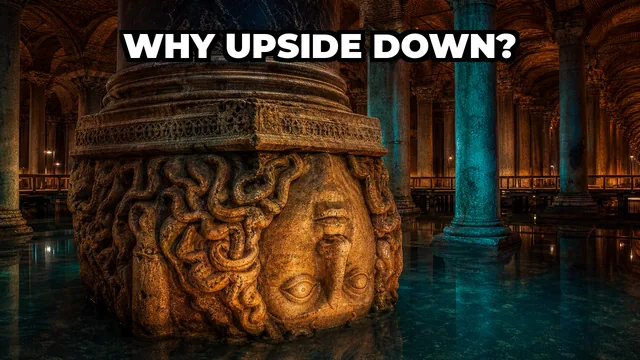 0:43
0:43Why Is One Medusa Head Upside Down Under Istanbul? 🏛️
Oct 27, 2026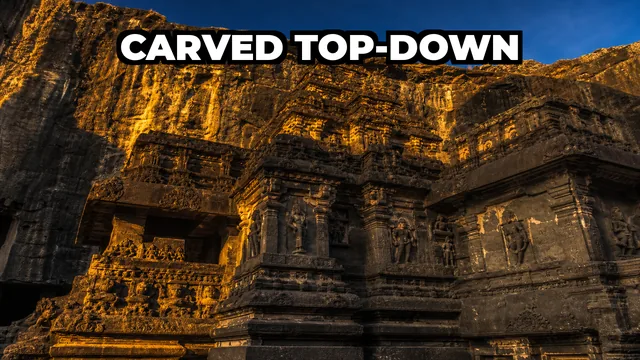 0:54
0:54They Carved This Temple Downward Into Solid Rock 🪨
Oct 25, 2026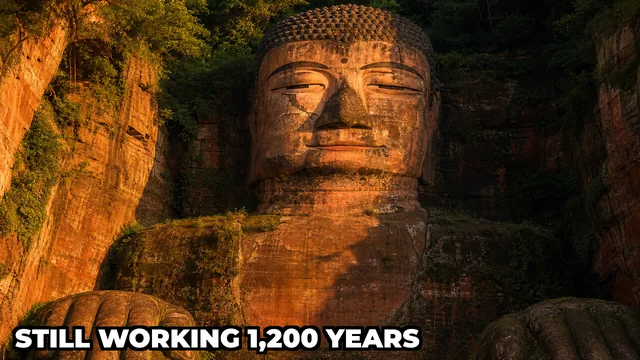 0:56
0:56The 233ft Buddha Built To Tame 3 Rivers 🏔️
Oct 24, 2026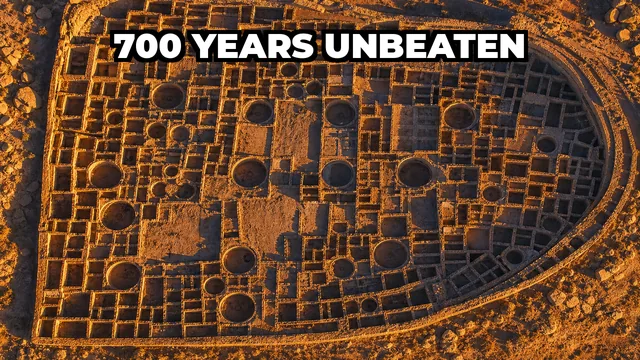 0:43
0:43Why Build 600 Rooms for 70 People? 🏛️
Oct 23, 2026 0:36
0:36The 1250 Stone Chariot With Iron Beams Inside 🏛️
Oct 22, 2026 0:02
0:02