What Is Tylosaurus Rex and Why Is It One of the Largest Sea Creatures Ever Found?
September 1, 2026
Tylosaurus rex was a massive marine reptile stretching approximately 43 feet from snout to tail, recently described from fossils found in northern Texas, making it one of the largest mosasaurs — and one of the largest sea predators — ever formally named in paleontology.
What Exactly Was Tylosaurus Rex?
Despite sharing the word “rex” with Tyrannosaurus rex, Tylosaurus rex was not a dinosaur. It belonged to the family Mosasauridae, a lineage of giant extinct marine lizards more closely related to modern monitor lizards and Komodo dragons than to any dinosaur species. Mosasaurs were air-breathing, warm-water predators that dominated the world’s oceans during the Late Cretaceous period, roughly 100 to 66 million years ago. At 43 feet — about the length of a standard school bus — Tylosaurus rex sits at the extreme upper end of known mosasaur body sizes.
Why Were Its Fossils Found in Texas?
The discovery of a colossal sea creature in the landlocked state of Texas surprises many people, but the geography of Earth looked radically different 80 million years ago. What is now the American interior was submerged beneath a vast body of water known as the Western Interior Seaway — a shallow inland ocean that stretched from the Gulf of Mexico northward to the Arctic, splitting the North American continent in two. Texas sat squarely beneath this ancient sea, making its rock layers a rich archive of Cretaceous marine life. As the seaway receded and the continent uplifted over millions of years, the fossils of its former inhabitants became buried in the sedimentary rock now exposed across the southern Great Plains.
Why Is the Name “Rex” Significant?
The species name rex is Latin for “king,” and scientists did not choose it casually. As the apex predator of the Western Interior Seaway, Tylosaurus rex almost certainly sat at the very top of its ecosystem’s food chain. Fossil evidence and close relatives suggest it fed on large fish, sharks, diving seabirds, and even smaller mosasaurs. The genus name Tylosaurus itself derives from Greek meaning “knob lizard,” a reference to the distinctive rounded, toothless tip of its snout — a structure believed to have been used for ramming prey or rival animals. Together, the full name translates roughly to “king of the knob lizards” — an ungainly phrase that nonetheless describes one of the most formidable predators the oceans have ever produced.
How Does It Compare to Other Giant Sea Predators?
At 43 feet, Tylosaurus rex rivals or exceeds most other candidates for the title of largest marine reptile. For comparison, the famously enormous Mosasaurus hoffmannii is estimated at around 50 to 56 feet in the most generous reconstructions, while Shastasaurus, a Triassic ichthyosaur, may have approached 69 feet — though that animal was likely a filter feeder rather than an active predator. Among confirmed apex predators of their respective seas, Tylosaurus rex belongs in elite company. It dwarfs the great white shark (typically under 20 feet) and competes in scale with sperm whales, which can reach around 60 feet today.
When Did Tylosaurus Rex Go Extinct?
Tylosaurus rex disappeared approximately 66 million years ago, at the end-Cretaceous mass extinction event — the same catastrophe that wiped out non-avian dinosaurs, pterosaurs, ammonites, and a vast proportion of life on Earth. The leading scientific consensus attributes this extinction to the aftermath of a massive asteroid impact near present-day Chicxulub, Mexico, which triggered global climate disruption, collapsed food webs, and caused widespread extinctions across both land and marine environments. The Western Interior Seaway itself began draining and closing around this time, eliminating the very habitat Tylosaurus rex had ruled.
Why Does This Discovery Matter?
Formally naming and describing a species like Tylosaurus rex does more than add a name to a list. It gives scientists a fixed point of reference for future research — a type specimen against which other fossils can be compared. Large mosasaurs are rare finds, and formally described giant species help researchers map the biodiversity, food-web structure, and ecological dynamics of ancient oceans. Every named species is a data point in the long, unfinished story of life on Earth.
FREQUENTLY ASKED
Was Tylosaurus rex a dinosaur? ▾
No — Tylosaurus rex was a mosasaur, a giant marine lizard more closely related to modern monitor lizards than to any dinosaur. It lived in the ocean, not on land.
How big was Tylosaurus rex compared to a T. rex? ▾
Tylosaurus rex was significantly longer, reaching about 43 feet, while Tyrannosaurus rex typically measured 40 feet. However, Tylosaurus was a slender marine animal, whereas T. rex was a massive land predator.
What did Tylosaurus rex eat? ▾
Tylosaurus rex was an apex predator that likely fed on large fish, sharks, smaller mosasaurs, and possibly diving seabirds — essentially anything it could overpower in its ocean environment.
What was the Western Interior Seaway? ▾
The Western Interior Seaway was a vast inland ocean that covered much of central North America during the Cretaceous period, stretching from the Gulf of Mexico to the Arctic and dividing the continent in two.
How was Tylosaurus rex discovered in Texas? ▾
Its fossils were preserved in Cretaceous-era marine sedimentary rock that was once the seafloor of the Western Interior Seaway — layers that are now exposed across northern Texas as the ancient seabed eroded over millions of years.
What is the largest mosasaur ever found? ▾
The largest mosasaurs by most estimates include Mosasaurus hoffmannii, sometimes reconstructed at up to 56 feet, though Tylosaurus rex at 43 feet ranks among the largest formally named species.
GO DEEPER
KEEP EXPLORING
 0:24
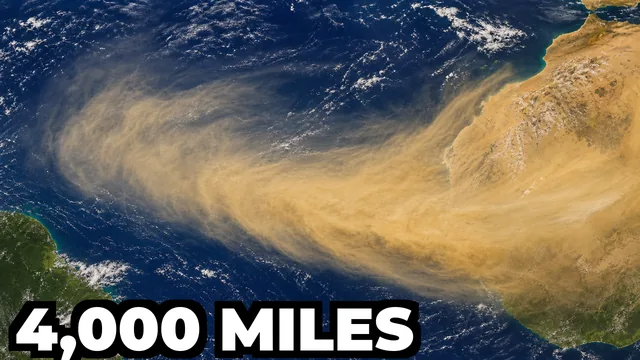
0:24The Sahara Desert Is Feeding the Amazon 🌍
Oct 23, 2026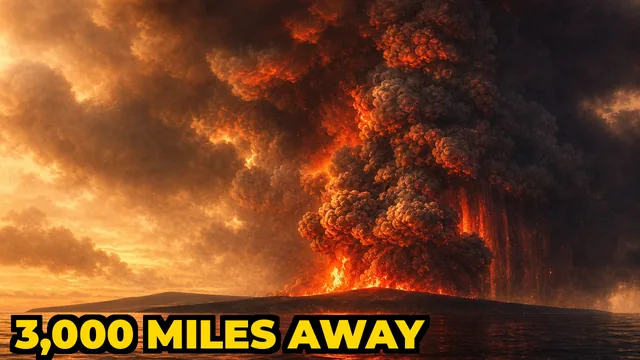 0:10
0:10Heard 3,000 Miles Away — Krakatoa's 1883 Blast 🌋
Oct 22, 2026 0:52
0:52The Quake That Sent the Mississippi Upstream 🌊
Oct 21, 2026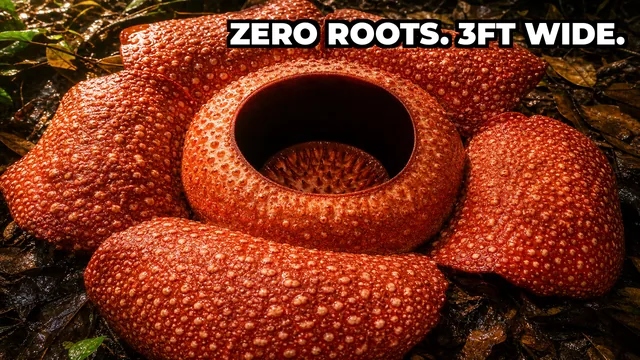 0:52
0:52A 24 lb Flower With No Roots Tricks Flies 😱
Oct 20, 2026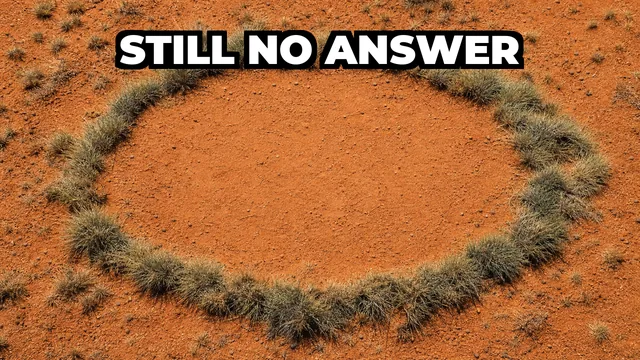 0:52
0:52Termites or Thirsty Grass? The Desert Can't Decide 🔵
Oct 19, 2026 0:48
0:48