Certain ocean bays glow electric blue at night due to millions of microscopic organisms called dinoflagellates that emit bioluminescent light when disturbed. This natural phenomenon creates one of Earth’s most spectacular light shows, but it’s actually a defense mechanism rather than a beautiful display.
What Are Dinoflagellates?
Dinoflagellates are single-celled marine plankton that possess the remarkable ability to produce light through a chemical reaction called bioluminescence. When these tiny organisms are agitated by waves, swimming fish, or human movement, they emit a bright blue-green glow. The process involves luciferin (a light-emitting compound) reacting with the enzyme luciferase in the presence of oxygen.
Mosquito Bay in Vieques, Puerto Rico, contains the highest concentration of these luminous creatures on Earth—up to 700,000 dinoflagellates per gallon of water. That means a single gallon contains nearly three-quarters of a million living flashlights, creating an otherworldly experience for nighttime visitors.
The Science Behind the Glow
Contrary to popular belief, dinoflagellates don’t glow to create beauty. The bioluminescent flash serves as a biological alarm system—a way to startle predators and attract larger predators that might eat whatever is threatening them. When a small fish tries to eat dinoflagellates, the sudden burst of light can confuse the predator or attract bigger fish that might prey on the original threat.
This defense mechanism has evolved over millions of years, making it one of nature’s most effective survival strategies. The light production is so efficient that it generates almost no heat, unlike artificial lighting systems.
Global Bioluminescent Hotspots
While Puerto Rico’s Mosquito Bay is the brightest, several other locations worldwide host bioluminescent bays. Holbox Island in Mexico, the Maldives, and Jervis Bay in Australia all feature varying degrees of bioluminescence. However, these natural light shows are incredibly sensitive to environmental changes.
Each location has specific conditions that allow dinoflagellates to thrive: the right water temperature, salinity levels, nutrient availability, and minimal light pollution. These factors must align perfectly to maintain healthy populations of these microscopic light producers.
Environmental Threats and Conservation
Bioluminescent bays face increasing threats from human activity. Light pollution from coastal development disrupts the natural darkness these organisms need. Chemical runoff from agriculture and urban areas can poison dinoflagellate populations, while climate change affects water temperatures and ocean chemistry.
Mosquito Bay experienced a dramatic crisis in 2017 when Hurricane Maria devastated Puerto Rico. The bay nearly went completely dark as the dinoflagellate population crashed due to contaminated runoff and disrupted ecosystems. Through careful conservation efforts and natural recovery, the bay gradually returned to its glowing state, though it remains more fragile than before.
Experiencing Bioluminescence Responsibly
For those lucky enough to visit a bioluminescent bay, responsible tourism is crucial. Swimming with sunscreen, insect repellent, or other chemicals can harm dinoflagellates. Many tour operators now use eco-friendly practices and educate visitors about the delicate nature of these ecosystems.
The best viewing occurs on dark, moonless nights when the contrast between the glowing water and black surroundings is most dramatic. Even gentle movements like trailing a hand in the water or paddling a kayak can trigger spectacular displays of living light.
These ancient light shows represent one of Earth’s most magical natural phenomena, but they require our protection to survive for future generations.
FREQUENTLY ASKED
Can you swim in bioluminescent bays? ▾
Swimming is allowed in some bioluminescent bays but prohibited in others to protect the fragile dinoflagellate populations. Always check local regulations and avoid sunscreen or chemicals that can harm these organisms.
What time of year is best to see bioluminescent bays? ▾
Bioluminescent bays are typically brightest during warm months when dinoflagellate populations peak, though this varies by location. Dark, moonless nights provide the best viewing conditions year-round.
Are bioluminescent bays dangerous to humans? ▾
Bioluminescent bays are generally safe for humans, though some dinoflagellate species can cause skin irritation. The light-producing reaction itself is harmless and generates no heat or toxic substances.
How many dinoflagellates are in a gallon of water in Mosquito Bay? ▾
Mosquito Bay in Puerto Rico contains up to 700,000 dinoflagellates per gallon of water. This extraordinarily high concentration makes it the brightest bioluminescent bay on Earth.
Why do dinoflagellates glow when disturbed? ▾
Dinoflagellates produce bioluminescent light as a defense mechanism to startle predators and attract larger predators that might eat whatever is threatening them. This biological alarm system helps them survive by confusing attackers with sudden bursts of blue-green light.
What happened to Mosquito Bay after Hurricane Maria? ▾
Hurricane Maria in 2017 caused the dinoflagellate population in Mosquito Bay to crash due to contaminated runoff and disrupted ecosystems, causing the bay to nearly go completely dark. Through conservation efforts and natural recovery, the bay gradually returned to its glowing state but remains more fragile than before.
GO DEEPER
KEEP EXPLORING
 0:05
0:05He Sailed 4,300 Miles on Logs — Then Science Said No 🪵
Oct 21, 2026 0:21
0:21Where Space Stations Go to Rest 🌊 (1,670 Miles From Land)
Oct 20, 2026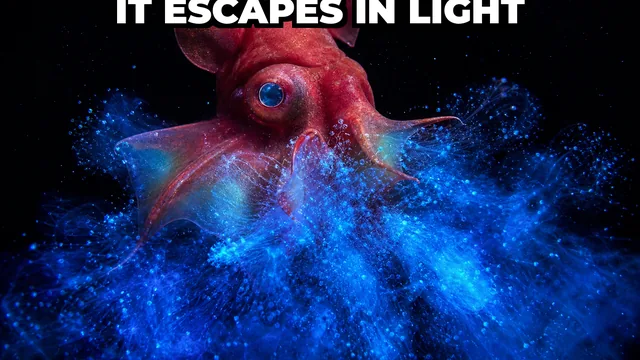 0:38
0:38The Vampire Squid Escapes in a Cloud of Light 🦑
Oct 19, 2026 0:08
0:08The Bermuda Triangle Mystery Was Never Real 🌊
Oct 18, 2026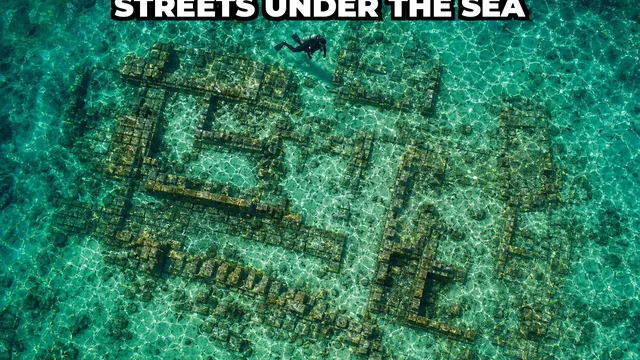 0:01
0:01This 5,000-Year-Old Town Still Has Streets Under the Sea 🌊
Oct 17, 2026 0:45
0:45