Wood frogs survive freezing solid by producing natural antifreeze compounds called cryoprotectants that prevent ice crystals from damaging their cells. These remarkable amphibians can withstand temperatures as low as -20°C (-4°F) for months while appearing completely lifeless.
The Science Behind Frog Antifreeze
When winter approaches, wood frogs (Lithobates sylvaticus) undergo one of nature’s most extraordinary transformations. Their bodies produce glucose and urea—natural antifreeze compounds—that flood their cells and organs. These cryoprotectants work by lowering the freezing point of cellular fluids and preventing the formation of large, destructive ice crystals that would normally rupture cell membranes.
During this process, up to 65% of the frog’s body water can freeze solid. Their heart stops beating, breathing ceases, and brain activity becomes undetectable. To any observer, the frog appears completely dead.
A Miraculous Spring Revival
As temperatures rise in spring, wood frogs begin an incredible resurrection process. The antifreeze compounds help orchestrate a controlled thaw from the inside out. The heart is typically the first organ to restart, beginning to pump again even while parts of the body remain frozen. Within hours, the frog’s metabolism kicks back into gear, and it emerges from its winter hiding spot ready to mate and feed.
This freeze-tolerance is not gradual adaptation—it’s an all-or-nothing survival strategy. The frogs must complete their antifreeze production before the first hard freeze, or they won’t survive.
Medical Applications and Research
Scientists are intensely studying wood frog biology for potential medical breakthroughs. Understanding how these amphibians prevent cellular damage during freezing could revolutionize organ preservation for transplants. Currently, human organs can only survive outside the body for hours, but wood frog research might extend this to days or weeks.
Researchers are also investigating applications for treating frostbite, hypothermia, and even developing new cryopreservation techniques for medical procedures. The frog’s ability to restart cellular processes after complete metabolic shutdown offers insights into trauma medicine and suspended animation research.
Where Wood Frogs Thrive
Wood frogs inhabit forests across Alaska, Canada, and the northern United States. They’re found further north than any other North American amphibian, with some populations living above the Arctic Circle. This extreme range is possible entirely due to their freeze-tolerance ability.
During winter, they typically shelter under leaf litter or shallow soil where they’ll be insulated but still experience freezing temperatures. Unlike other animals that migrate or hibernate in warm burrows, wood frogs embrace the freeze.
FREQUENTLY ASKED
How long can wood frogs stay frozen? ▾
Wood frogs can remain frozen solid for up to 8 months during harsh northern winters, surviving repeated freeze-thaw cycles throughout the season.
Are wood frogs the only animals that can freeze and survive? ▾
No, some insects, reptiles, and other amphibians have freeze tolerance, but wood frogs are among the most extreme examples in vertebrates.
Do frozen wood frogs feel pain when they thaw? ▾
Scientists believe wood frogs don't experience pain during the process since their nervous system shuts down completely while frozen.
What chemicals do wood frogs use to prevent freezing damage? ▾
Wood frogs produce glucose and urea as natural antifreeze compounds called cryoprotectants. These chemicals lower the freezing point of cellular fluids and prevent large ice crystals from forming that would damage cell membranes.
How much of a wood frog's body actually freezes during winter? ▾
Up to 65% of a wood frog's body water can freeze solid during winter. Despite this extensive freezing, their cells remain protected by antifreeze compounds that prevent cellular damage.
How are scientists using wood frog research for medical purposes? ▾
Scientists are studying wood frog biology to potentially revolutionize organ preservation for transplants and develop new treatments for frostbite and hypothermia. Their research could extend organ survival time from hours to days or weeks and advance suspended animation techniques for medical procedures.
GO DEEPER
KEEP EXPLORING
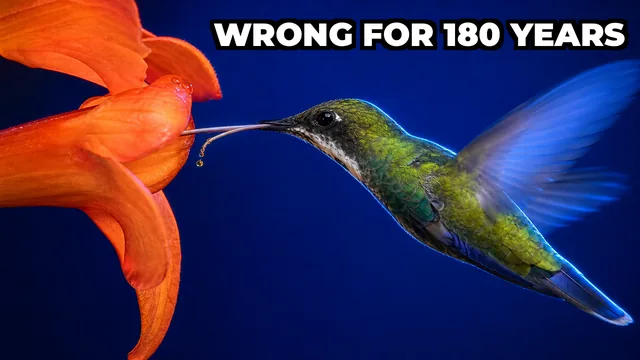 0:30
0:30Why Hummingbirds Pump Nectar 🔬 Not Sip It
Oct 6, 2026 0:26
0:26The Bird That Eats Bones And Dyes Itself Red 🦴
Oct 4, 2026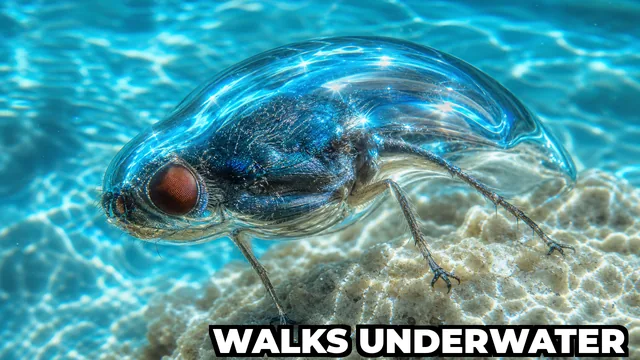 0:37
0:37This Fly Scuba Dives In A Lake 3x Saltier Than The Sea 🫧
Oct 2, 2026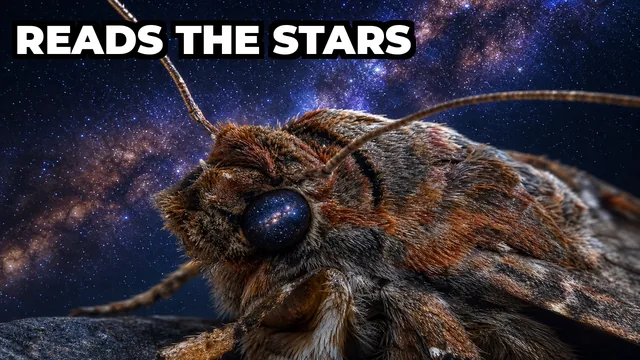 0:47
0:47Billions Of Moths Navigate 600 Miles By Starlight 🌌
Oct 1, 2026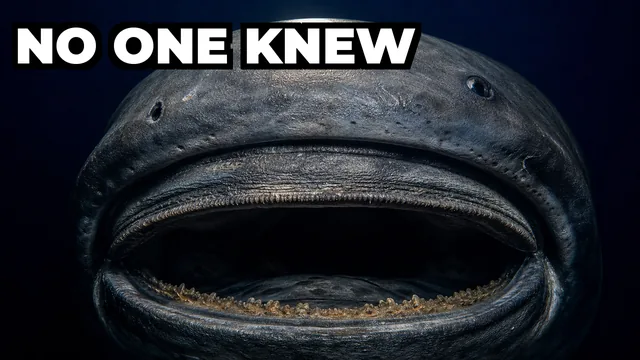 0:32
0:32A Navy Anchor Snagged A 1,500 lb Unknown Shark 🦈
Oct 1, 2026 0:55
0:55