The world is running out of sand because we consume 50 billion tons annually—far exceeding nature’s ability to replenish this finite resource through natural erosion processes. Sand is the second most consumed natural resource on Earth after water, yet most people remain unaware of this looming crisis.
The Hidden Importance of Sand in Modern Civilization
Sand forms the backbone of our modern infrastructure in ways most people never consider. Every concrete building, asphalt road, glass window, and silicon computer chip depends on this seemingly abundant resource. The construction industry alone consumes massive quantities of sand for concrete production, where it serves as the primary aggregate binding material.
The technology sector also relies heavily on high-quality sand for manufacturing glass screens, solar panels, and semiconductor chips. Without sand, our digital age would literally crumble—smartphones, computers, and renewable energy infrastructure all require specific sand compositions for production.
Why Desert Sand Cannot Save Us
Counterintuitively, the world’s vast deserts cannot solve our sand shortage. Desert sand grains are too round and smooth from centuries of wind erosion, making them useless for construction purposes. Concrete requires angular, rough sand particles that can lock together and bind effectively with cement.
The sand we desperately need comes from riverbeds, lakeshores, and ocean floors—sources that are being depleted faster than geological processes can replace them. River sand, formed through water erosion and weathering, provides the angular particles essential for strong concrete.
The Rise of Sand Mafias and Resource Wars
The sand crisis has spawned a dangerous black market operated by criminal organizations across Asia and Africa. These “sand mafias” illegally dredge riverbeds and coastlines, often with devastating environmental consequences. Entire islands in Indonesia have disappeared from maps due to illegal sand mining operations.
In India, sand mafias generate billions in illegal revenue while corrupting local officials and threatening environmental activists. The violence surrounding sand extraction has led to numerous deaths, earning sand the grim nickname “blood sand” in some regions.
Singapore’s Sand Diplomacy Crisis
Singapore’s massive land reclamation projects have made it one of the world’s largest sand importers. The city-state has increased its land area by over 25% since independence through sand imports. However, Singapore’s voracious appetite for sand has strained diplomatic relationships with neighboring countries.
Malaysia, Indonesia, and Cambodia have all imposed bans on sand exports to Singapore, citing environmental concerns and their own construction needs. This situation highlights how sand scarcity is becoming a geopolitical issue, with nations protecting their sand resources like strategic commodities.
Environmental Consequences of Sand Mining
Excessive sand extraction causes severe ecological damage. River sand mining destabilizes banks, increases flood risks, and destroys aquatic habitats. Coastal sand mining accelerates beach erosion and threatens marine ecosystems.
The environmental impact extends beyond extraction sites. Sand mining disrupts natural sediment flow, affecting downstream agriculture and water quality. Many coastal communities face increased vulnerability to storms and rising sea levels due to depleted natural sand barriers.
The Future Without Sand
As sand becomes scarcer and more expensive, construction costs will skyrocket globally. Infrastructure projects may become economically unfeasible, potentially stunting urban development in rapidly growing regions. The technology sector will face supply chain disruptions for glass and semiconductor production.
Researchers are exploring alternatives like recycled concrete aggregate, manufactured sand from crushed rock, and bio-based building materials. However, scaling these solutions to meet global demand remains a significant challenge that requires immediate attention from policymakers and industry leaders.
FREQUENTLY ASKED
How much sand does the world use each year? ▾
The world consumes approximately 50 billion tons of sand annually, making it the second most consumed natural resource after water.
Can we use desert sand for construction? ▾
No, desert sand is too smooth and round from wind erosion to bind effectively in concrete, making it useless for construction purposes.
What are sand mafias? ▾
Sand mafias are criminal organizations that illegally extract sand from rivers, beaches, and islands, often causing environmental destruction and violence.
Why is Singapore running out of sand? ▾
Singapore has increased its land area by over 25% since independence through massive land reclamation projects, making it one of the world's largest sand importers. However, neighboring countries like Malaysia, Indonesia, and Cambodia have imposed bans on sand exports to Singapore due to environmental concerns and their own construction needs.
What environmental damage does sand mining cause? ▾
Sand mining destabilizes river banks, increases flood risks, destroys aquatic habitats, and accelerates beach erosion that threatens marine ecosystems. It also disrupts natural sediment flow, affecting downstream agriculture and water quality while making coastal communities more vulnerable to storms and rising sea levels.
What are alternatives to natural sand for construction? ▾
Researchers are exploring alternatives like recycled concrete aggregate, manufactured sand from crushed rock, and bio-based building materials. However, scaling these solutions to meet global demand remains a significant challenge requiring immediate attention from policymakers and industry leaders.
GO DEEPER
KEEP EXPLORING
 0:30
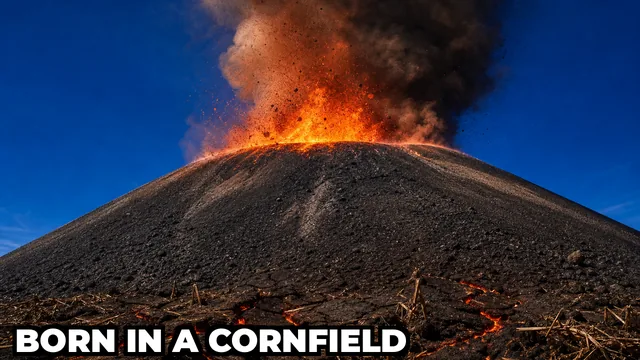
0:30A Volcano Grew 1,391ft Out Of A Cornfield 🌋
Oct 5, 2026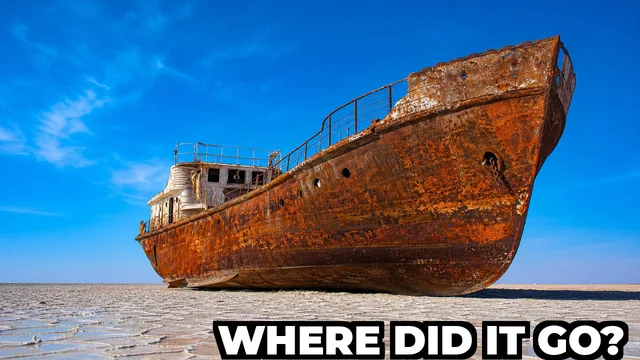 0:43
0:43Earth's 4th-Largest Lake Is Now A Salt Desert 🏜️
Oct 4, 2026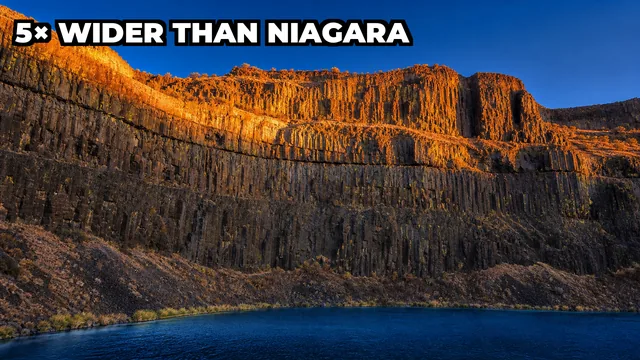 0:31
0:31A Waterfall 5x Wider Than Niagara Ran Dry 🌊
Oct 2, 2026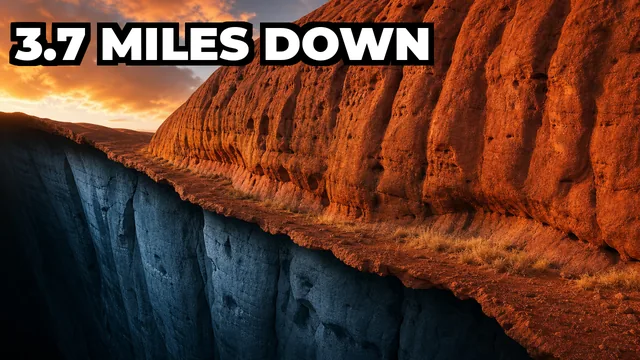 0:17
0:17Uluru Hides 3.7 Miles Beneath The Desert 🪨
Sep 29, 2026 0:06
0:06The Sand That Stays Cool At 100°F 🏜️
Sep 28, 2026 0:12
0:12